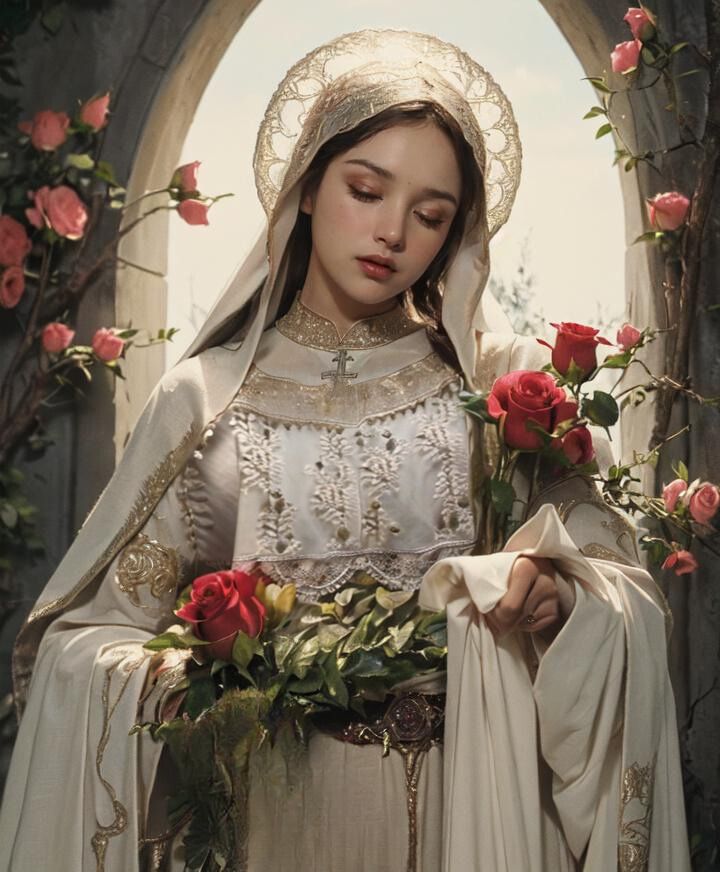
THE IMMACULATE CONCEPTION
“You shall be holy to me; for I the Lord am holy,
and have separated you from the peoples,
that you should be mine.”
Leviticus 20:26
The verse from Leviticus 20:26 articulates a profound directive: “You shall be holy to me; for I the Lord am holy, and have separated you from the peoples, that you should be mine.” Within its original historical and cultural context, this scripture underscores God’s explicit call for the Israelites to embody holiness and to maintain a distinctive identity among the nations. Holiness, in this particular framework, goes beyond mere physical separation; it encompasses a deep spiritual commitment that reflects the very nature of God. This command not only indicates a separation from pagan practices and lifestyles prevalent among surrounding nations but also delineates a covenantal relationship characterized by adherence to God’s laws and values.
The emphasis on being “set apart” implies a transformative way of life, marked by ethical conduct, ritual purity, and communal integrity. This lifestyle is intended to serve as a testament to God’s character, demonstrating love, justice, and mercy, while also showcasing the significance of maintaining a dedicated connection with the Divine. Ultimately, the call to holiness is both a privilege and a responsibility, inviting people to reflect God’s image in a world filled with diverse beliefs and practices.
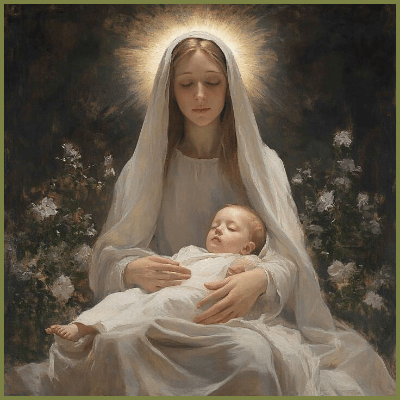
When we delve into this text alongside the doctrine of the Immaculate Conception of Mary, we uncover intriguing parallels that deepen our understanding. The Immaculate Conception holds that Mary was conceived without original sin, a unique grace bestowed upon her by God from the moment of her conception. This divine intervention ensured that she would remain pure and free from sin throughout her life, serving as a fitting vessel for the incarnation of Christ.
Much as the Israelites were called to holiness and set apart as God’s chosen people, Mary is similarly viewed as sanctified for a distinct purpose within salvation history. The Israelites’ journey, characterized by their covenantal relationship with God, mirrors Mary’s role as the Mother of God, highlighting her exceptional status among humanity. Just as God guided the Israelites to fulfill His promises, Mary was divinely appointed to bear the Savior, underscoring the profound intersection of grace and divine purpose in both narratives. This emphasis on her unique role not only underscores her holiness but also enriches our understanding of her significance within the broader context of Christian theology.
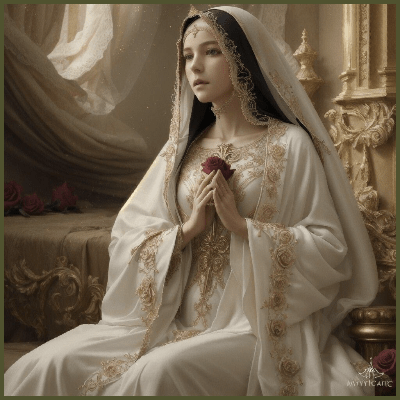
In the rich tradition of the Catholic Church, Mary is frequently referred to as “Daughter Zion,” a designation that encapsulates her as a pivotal figure symbolizing the faithful and chosen people of God. This title reflects her unique role in salvation history, in which she personifies the ideal relationship between God and His people. As Daughter Zion, Mary embodies essential virtues such as fidelity, purity, and unwavering devotion, which serve to highlight the profound connection between the divine and humanity. Her acceptance of God’s will, as demonstrated in the Annunciation, exemplifies the obedience and trust that God seeks from His followers, further illustrating her embodiment of the covenant relationship. In this context, Mary stands not only as a model of faith for individuals but also as a representative of the entire faithful community, emphasizing the collective call to holiness and commitment to God’s purpose throughout generations (cf. Lk 1:48-49).
Additionally, Mary’s role as the Spouse of the Holy Spirit significantly reinforces her sanctity and unique spiritual stature. The Holy Spirit’s overshadowing of Mary, as detailed in Luke 1:35, is a sublime event that manifests not only the miraculous conception of Jesus Christ but also highlights Mary’s exceptional devotion and total alignment with God’s divine will. This intimate relationship with the Holy Spirit emphasizes the deep connection and direct engagement that God seeks with humanity, which is further exemplified by the command in Leviticus 11:44 to be holy as He is holy. This call to holiness invites all people to pursue a life of righteousness, mirroring the purity and dedication exemplified by Mary as the Mother of God.
The early Greek and Latin Fathers of the Catholic Church believed that Mary was united with the Holy Spirit in two significant ways, highlighting both the unitive and procreative aspects of conjugal love. First, they viewed Mary as spiritually united with the Holy Spirit, sharing a supernatural bond with Him. This connection was attributed to her inner disposition, which was profoundly influenced by the grace of the Holy Spirit. Consequently, she was considered worthy of being His spouse and the mother of Jesus Christ, the divine Lord. Second, the belief held that Mary had to possess a perfect share in the divine nature of the Holy Spirit, as she was divinely chosen to conceive and bear the Holy Begotten Son of God.
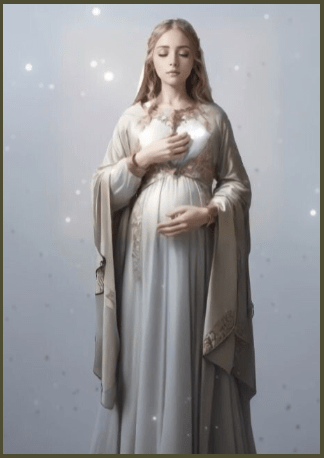
Thus, in examining Leviticus 20:26 and its anagogical implications alongside the figure of Mary in the New Testament, we uncover a rich tapestry of themes that underscore the call to holiness, the concept of separation for divine purposes, and the significance of intimate covenantal relationships. Leviticus 20:26 articulates God’s command to the Israelites to be a people set apart, emphasizing their identity as holy to Him, underscored by a series of rituals and laws designed to cultivate their distinctiveness from surrounding nations. Similarly, Mary, as articulated in Luke 1:28, 42, embodies this call to holiness, having been chosen to bear the Divine Messiah, reflecting God’s intimate relationship with humanity.
Both the Israelites and Mary are not merely called to adhere to a set of rules or regulations; rather, they are invited to cultivate a profound and personal relationship with the divine, serving as instruments of God’s overarching purpose in the world. This parallel underscores the consistency in God’s approach to His people across various covenants, from the Mosaic covenant with the Israelites, emphasized through laws and rituals, to the New Covenant exemplified in Mary’s acceptance of her role in the Incarnation. In both contexts, the concept of being “set apart” takes on significant meaning. For the Israelites, it involved living out their identity as God’s chosen people, marked by distinctive practices and a commitment to justice and righteousness in anticipation of the Messiah’s coming. For Mary, being set apart meant embracing her unique calling to bear the Son of God, showcasing her remarkable faith and obedience.
Holiness, therefore, transcends being merely an abstract characteristic or a set moral standard; it becomes an active vocation that compels each individual to not only embody but also reflect the transformative power of God in their daily lives and within their communities. This dynamic engagement invites both the Israelites, through their covenant relationship with God, and Mary, through her acceptance of divine will, to actively participate in the unfolding narrative of salvation history. It emphasizes the relational and participatory nature of their respective journeys with God, highlighting how their choices and actions contribute to a greater plan of redemption and restoration. Each act of faith, prayer, and service becomes a vital thread in the intricate tapestry of humanity’s interaction with the divine, showcasing a holistic approach to holiness that involves both personal commitment and communal responsibility.
AVE MARIA

 Marian Scripture
Leave a comment