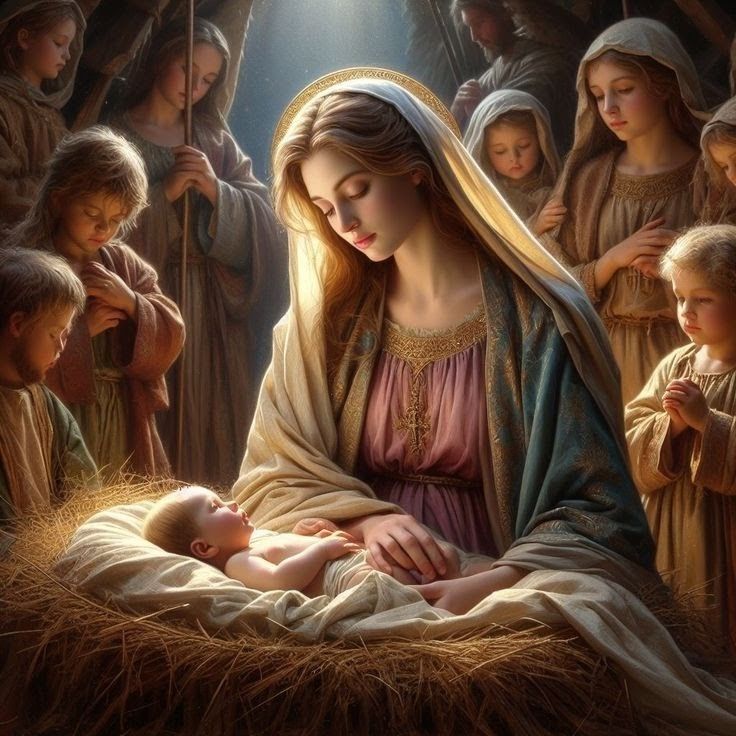
THE VIRGINITUS IN PARTU
Then he brought me back to the outer gate of the sanctuary, facing the
east; but it was closed. He said to me: “This gate is to remain closed;
it is not to be opened for anyone to enter by it; since the Lord, the God
of Israel, has entered by it, it shall remain closed.”
Ezekiel 44, 1- 3
The passage is from the book of the prophet Ezekiel, specifically Ezekiel 44:1-3, and is situated within the broader context of prophetic and priestly literature in the Hebrew Bible. In this section, the prophet Ezekiel receives a vision of the temple and its various gates, underscoring the sanctity and holiness associated with God’s presence among His people.
Ezekiel describes a closed gate that is to remain shut, symbolizing a sacred space set apart exclusively for the Lord. This closed gate represents not only divine authority but also God’s distinct separateness from all that is human. The gate remaining closed signifies that God Himself has entered through it, marking the entrance as a point of divine interaction. Moreover, this imagery conveys that no one else is permitted to approach or enter in the same manner, reaffirming the need for reverence and the recognition of God’s holiness. This vision encapsulates themes of purification, divine presence, and the proper order of worship, emphasizing the importance of maintaining the sanctity of spaces designated for divine encounter.
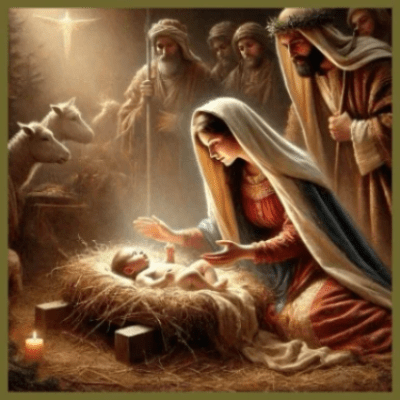
In the context of early Christian interpretation, particularly concerning the doctrine of the perpetual virginity of Mary during the birth of Jesus (Virginitas In Partu), this passage has been understood as prophetic. The notion of the “closed gate” metaphorically represents Mary’s virginity, especially in relation to the miraculous birth of Jesus Christ. According to this interpretation, just as the gate remained closed while allowing for a divine entrance, Mary maintained her virginity throughout the birth of Christ, emphasizing the miraculous nature of this event.
This interpretation is further bolstered by the belief held by many early Church Fathers and theologians* that Mary’s motherhood did not compromise her virginity. For instance, Saint Augustine and Saint Thomas Aquinas held that Mary’s role as the Mother of God preserved her purity, suggesting that she remained a pure vessel for the Son of God. This belief underscores Mary’s significance in the Christian faith, symbolizing both her unique role in salvation history and her ideal of holiness.
The Catholic Church has maintained a longstanding belief regarding the birth of Jesus by the Virgin Mary. According to Church teachings from the earliest times, it is believed that Mary’s physical integrity as a virgin remained intact during Jesus’ birth. This perspective asserts that there was no rupture of the hymen, no physical pain or discomfort typically associated with labor, nor the presence of water, blood, placenta, or umbilical cord. This doctrine emphasizes that Mary’s bodily integrity remained inviolate, aligning with her spiritual purity. The Church teaches that no natural or profane element involved in the birth could compromise her purity or the sanctity of her son, who is considered free from original sin.
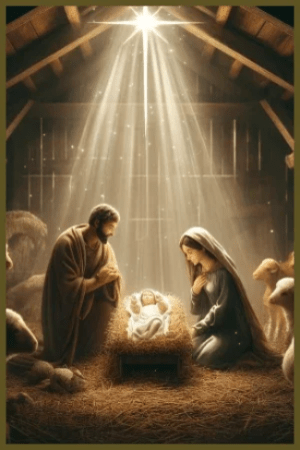
Thus, the belief holds that Mary’s giving birth did not involve any elements that would defile her or her Holy Child. The Universal Magisterium of the Catholic Church has infallibly defined as a de fide doctrine that “at the appropriate time, Jesus left his mother’s womb through the natural channels, but in a miraculous way, just as he had entered it without the least diminution of her virginal integrity” (Lumen Gentium, 57). Jesus was born without in any way opening his mother’s womb, just as the Holy Spirit had overshadowed Mary without opening it.
Consequently, the assertion of Mary’s continued virginity serves to highlight the intersection of human and divine workings in the Incarnation, reinforcing the notion of Jesus being born without the taint of original sin. Thus, the idea of the closed gate transcends mere symbolism, becoming a fundamental component of Marian doctrine and a key aspect of the theological understanding of the Incarnation within Christianity.

The symbolism of the closed gate in Ezekiel 44:2 serves as a powerful metaphor for Mary’s unparalleled role in salvation history. Just as this gate is designated exclusively for God’s entrance, symbolizing His holiness and transcendence, Mary is recognized as uniquely chosen to bear Jesus Christ, the Son of God. This choice underscores her exceptional significance in the narrative of the Incarnation, where divine and human meet.
Moreover, the text from Ezekiel aligns with the theological perspective of Mary’s perpetual virginity, illustrating her as a figure of purity and sanctity. By remaining a virgin before, during, and after the birth of Jesus, Mary embodies an essential aspect of God’s plan for salvation. Her virginity reflects a deep fidelity to God’s will and a singularity of purpose, reinforcing her role as Theotokos, or “God-bearer.” In this way, her life and mission serve as a testament to the divine purpose woven throughout human history, exemplifying how God’s choices can elevate ordinary circumstances to extraordinary heights.
This interpretation intricately connects the vivid imagery of the Old Testament with the profound realities of the New Testament, illustrating the seamless continuity of God’s redemptive purpose throughout the sacred scriptures. The symbolic closure of the gate described by the prophet Ezekiel not only signifies a barrier but also embodies the sacredness of divine protection, echoing the theological significance of Mary’s perpetual virginity. This aspect safeguards her purity while simultaneously affirming her unique and pivotal role in the mystery of the Incarnation—the moment when God took on human flesh. In this light, Mary’s virginity is celebrated not simply as a physical state but as a vital element in the unfolding narrative of salvation, highlighting her dedicated commitment to God’s plan.

AVE MARIA
- St. Irenaeus of Lugdunum, Proof of the Apostolic Preaching, 54 (A.D. 190)
- St. Ephrem of Syria Commentary on the Diatesseron, 2.6 (ante A.D. 373)
- St. Gregory of Nyssa On the Song of Songs 13 (ante A.D. 376)

 Marian Scripture
Leave a comment