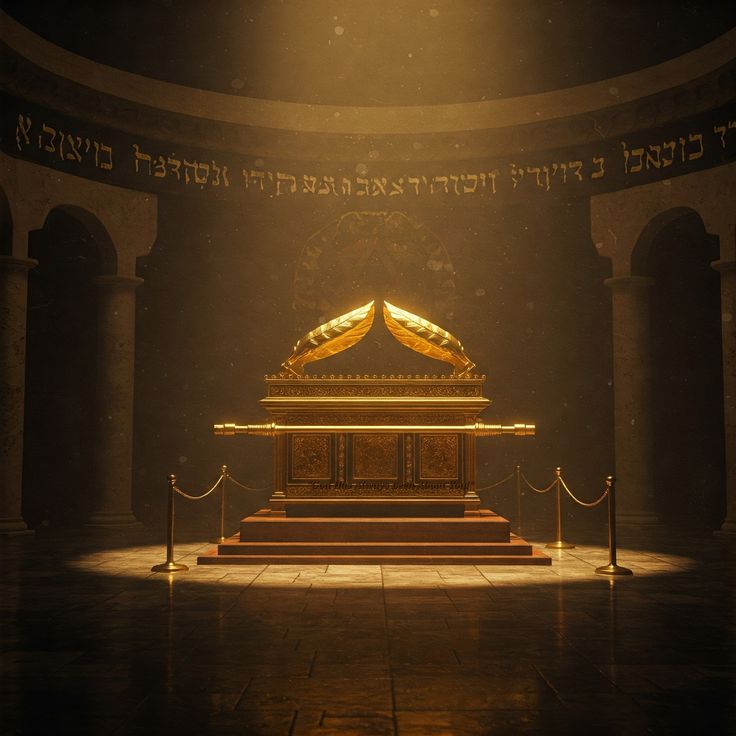
THE ASSUMPTION OF THE VIRGIN MARY
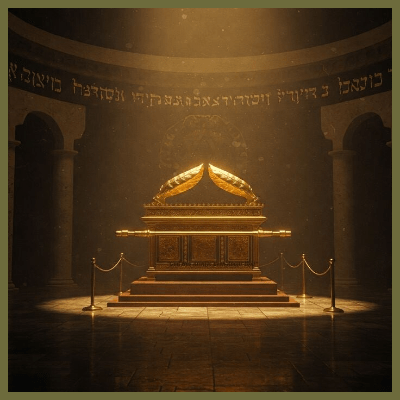
Arise, O Lord, into thy resting place:
thou and the ark, which thou hast sanctified.
Psalm 132:8
The text “Arise, O Lord, into thy resting place: thou and the ark, which thou hast sanctified” from Psalm 132:8 has deep theological significance both in its immediate context and in a broader Christian understanding.
In its primary context, this verse is part of a psalm attributed to David, in which he expresses his desire to bring the Ark of the Covenant to Jerusalem. The Ark represented God’s presence among His people, serving as a sacred dwelling place where the divine and human realms intersected. The plea for the Lord to arise into His resting place reflects a longing for God’s presence to be fully realized in Israel, emphasizing themes of worship, holiness, and divine communion.
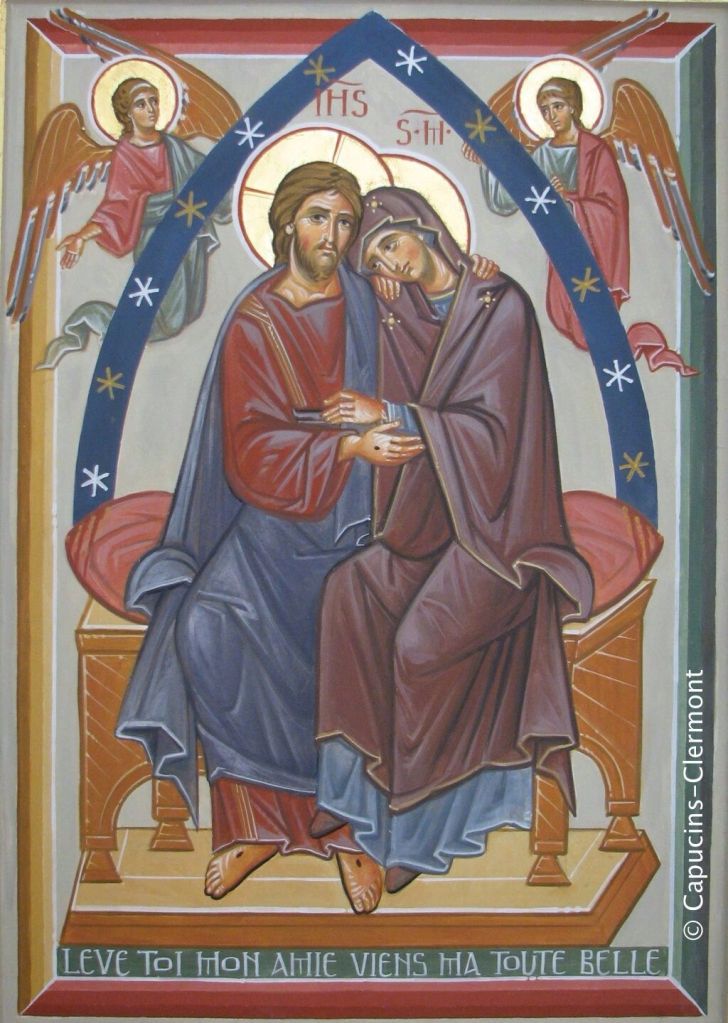
This text is often interpreted within the framework of the Catholic dogma concerning Mary’s Assumption into heaven. In Catholic theology, Mary is viewed as the new Ark of the Covenant. Just as the original Ark contained the tablets of the Law, manna, and Aaron’s rod—symbols of God’s presence and covenant with Israel—Mary bore Jesus Christ, the Word of God made flesh, who fulfills the Old Testament covenant.
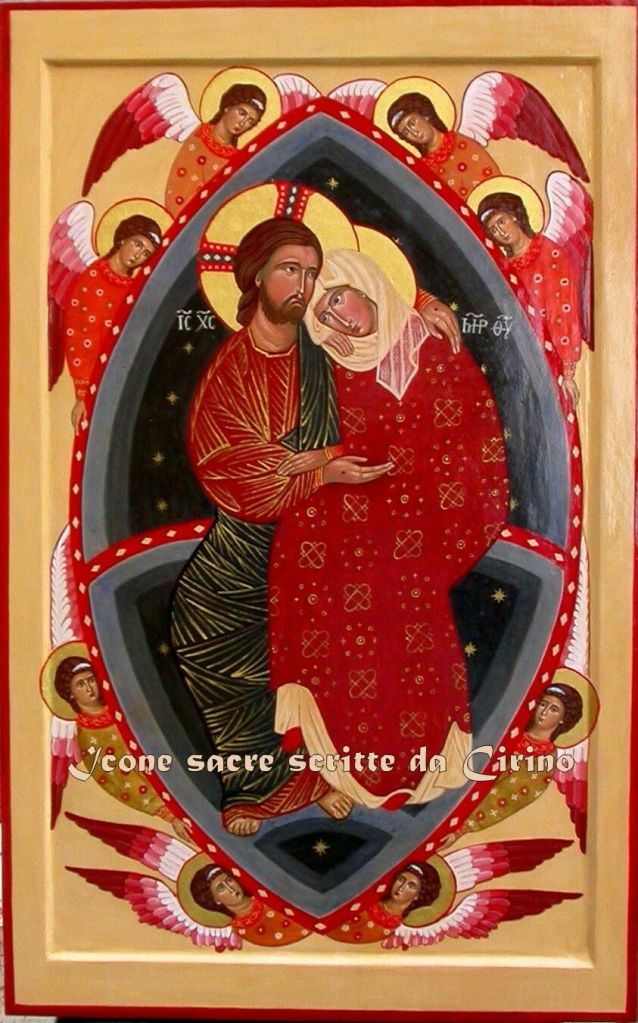
When we consider Mary’s Assumption, which is the belief that she was taken body and soul into heavenly glory at the end of her earthly life, connections can be drawn to the psalm. Just as the Ark was a resting place for God’s presence among His people, the Assumption signifies that Mary, as the new Ark, is honored in heaven, where she fully participates in the Divine Presence.
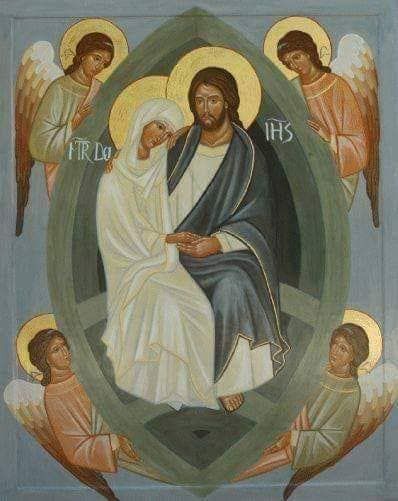
Catholics associate Mary with the Ark of the Covenant through both theological symbolism and scriptural parallels. This connection is integral to understanding Mary’s role in salvation history and emphasizes her significance in Catholic doctrine.
The Ark of the Covenant was a sacred container that held the tablets of the Law, the manna from the wilderness, and Aaron’s rod. It was considered the dwelling place of God’s presence among His people, symbolizing both God’s covenant with Israel and His divine guidance. The Ark was central to Israel’s worship and served as a powerful reminder of God’s commitment to His people, representing the intersection of heaven and earth.
In Catholic theology, Mary is viewed as the new Ark of the Covenant because, just as the original Ark contained the Word of God in the form of stone tablets, Mary bore Jesus Christ, the Word made flesh (John 1:14). This foreshadowing is particularly articulated in the Gospel of Luke, where Mary visits her cousin Elizabeth. When Elizabeth hears Mary’s greeting, she is filled with the Holy Spirit and exclaims, “How is it that the mother of my Lord should come to me?” (Luke 1:43; cf. 2 Samuel 6:9). This moment emphasizes Mary’s unique role and the divine presence she carries.
Various scriptural parallels underscore this connection: the Holy Spirit overshadowing Mary is analogous to the Lord’s glory filling the Tabernacle (Luke 1:35; Exodus 40:35). Just as the Ark was overlaid with the purest gold (tahor) and filled with God’s presence, Mary was filled with sanctifying grace (Luke 1:28) to become the worthiest vessel through which God entered the world. Indeed, the Ark of the Covenant was imbued with such profound holiness that anyone who dared to touch it without undergoing the required ritual purification would be struck dead, regardless of their intentions or reverence (2 Samuel 6:6-7).
Furthermore, Mary serves as the anti-typical embodiment of the sacred relics housed within the Ark of the Covenant. Just as the Ark contained the tablets of the Law, the manna, and the staff of Aaron, which collectively pointed to God’s covenant and presence among His people, so too did Mary encapsulate the ultimate fulfillment of these sacred objects in the person of her Divine Son. She held not only the Divine Word, the Logos made flesh, but also embodied the High Priest in the order of Melchizedek, as referenced in Hebrews 5:8-10. This priestly lineage emphasizes the unique mediating role of Jesus, who offers Himself as a perfect sacrifice.
Additionally, Mary bore within her the “true manna come down from heaven” — the “Bread of Life,” as articulated in John 6:35 and 51. Her body can be compared not only to the incorruptible acacia wood (shittim) that framed the Ark of the Covenant to prevent decay and worm and insect infestation, but also to the magnificent Temple where the Ark was ultimately housed. In this metaphor, her womb is like the sacred sanctuary—the Holy of Holies—which housed the Ark itself—an area so sacred that only the High Priest could enter, and only once a year, on the Day of Atonement (Yom Kippur).
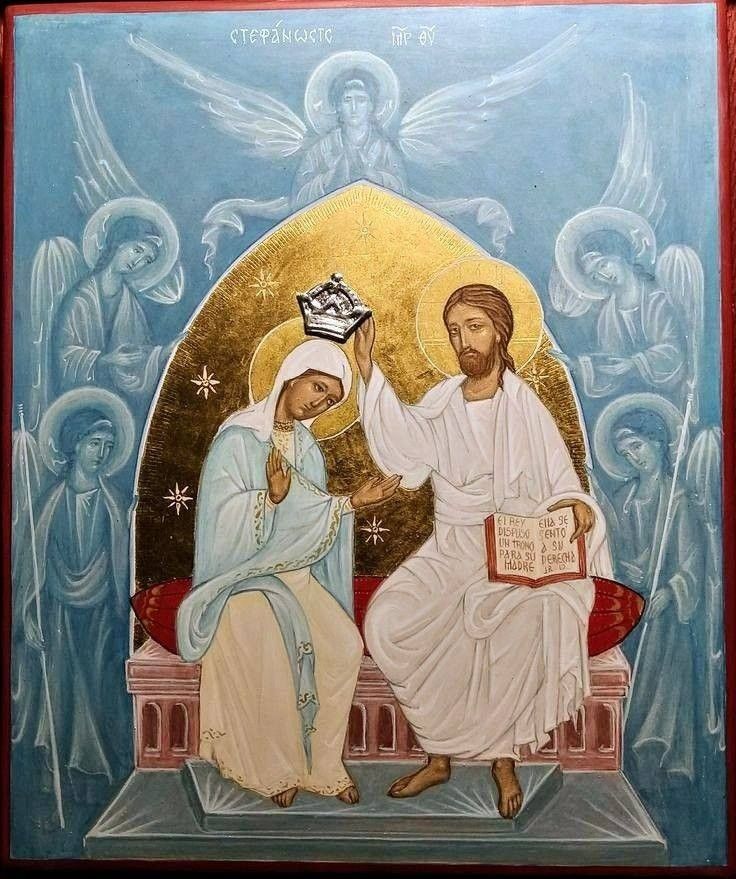
Thus, Psalm 132:8 can be seen as a foreshadowing of Mary’s role within the Christian narrative, depicting the culmination of God’s plan of salvation through Christ and honoring Mary’s unique role as His mother. In this light, the text invites believers to reflect on the profound connection between God, His chosen vessels, and the fulfillment of divine promises. This understanding enriches reflection on Mary’s Assumption, celebrating her as a model of faith, obedience, and divine grace, while also affirming the hope of everlasting life in communion with God for all believers.
The belief in Mary’s Assumption—that she was taken body and soul into heavenly glory—significantly reinforces her role as the New Ark of the Covenant. In biblical tradition, the Ark served as the earthly dwelling place of God, a sacred object revered for its holiness and often treated with the utmost respect and care. Just as the Ark housed the presence of God among the Israelites and served as a channel of grace, Mary’s Assumption highlights her exalted status in heaven, where she shares in the divine presence and intercedes on behalf of humanity.
This profound belief is reflected in the interpretation of Psalm 132:8, which encourages believers to acknowledge Mary not only as the physical bearer of Christ but also as a pivotal spiritual resting place for divine grace and holiness. Her Assumption signifies her unique collaboration in the mystery of salvation. It underscores her role as a powerful advocate for the faithful, pointing them towards the divine through her closeness to God.
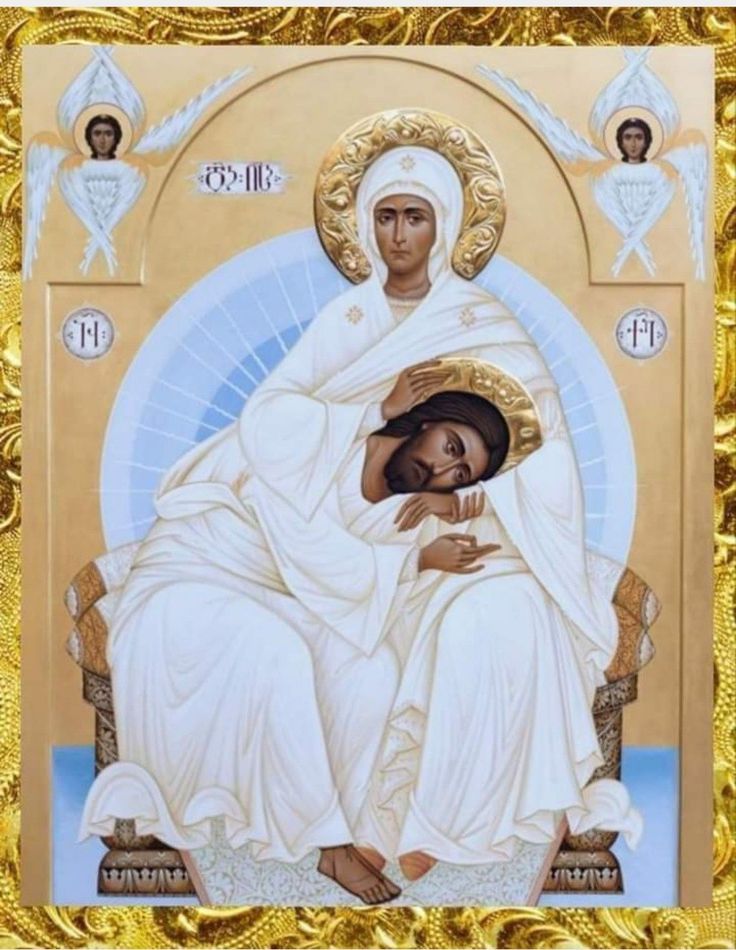
Mary’s association with the Ark of the Covenant deepens our understanding of the Incarnation—the profound mystery of the union between the divine and human natures in Jesus Christ. Just as the Ark served as the sacred dwelling place of God among His people in the Old Testament, Mary’s role signifies God’s initiative to take on human flesh and dwell among humanity through Jesus. This parallel not only emphasizes the sanctity of Mary’s character but also highlights her vital role within God’s salvific plan, making her worthy of honor and veneration within the Church.
Moreover, this relationship encourages Catholics to view Mary as a quintessential model of faith and obedience, exemplifying trust in God’s plan despite uncertainty. Her acceptance of the angel Gabriel’s message, often called her fiat, is a powerful testament to her unwavering commitment to God’s will. Through Mary’s example, believers are invited to reflect on their own relationships with God, recognizing that, like Mary, they too are called to respond to God’s call with faith and perseverance. Ultimately, Mary acts as a bridge, guiding the faithful toward a deeper understanding of their spirituality and connection to the Divine.
This theological connection is reflected in various devotions, prayers, and feasts dedicated to Mary, particularly in the context of the Assumption and the Immaculate Conception. These celebrations honor her role and emphasize the respect and veneration Catholics have for her as the Mother of God. In summary, Catholics see Mary as the New Ark of the Covenant through theological, scriptural, and liturgical lenses. This understanding enhances devotion to Mary and highlights her unique role in salvation history, affirming the hope and promise of divine presence for all believers.

AVE MARIA

 Marian Scripture
Leave a comment