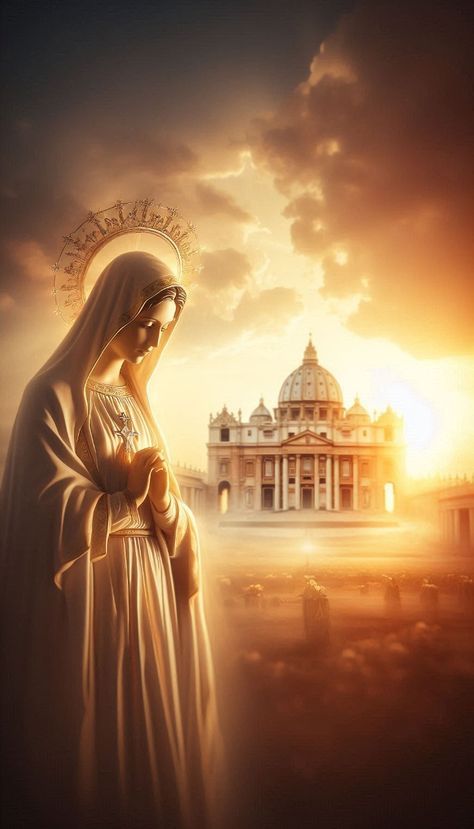
MOTHER OF THE CHURCH
Shall not Zion say: This man and that man is born in her?
and the Highest himself hath founded her.
Psalm 87, 5
Psalm 87, particularly verse 5, highlights the profound importance of Zion, commonly recognized as Jerusalem, within the overarching biblical narrative. This verse serves as a reminder of Zion’s prominence not only as a physical location but also as a spiritual and symbolic center for the people of Israel. To fully grasp the significance of this verse, it is essential to explore both the theological implications and the social dynamics of ancient Israel.
Historically, Zion has been celebrated as the site of the Temple, the dwelling place of God among His people, underscoring its role in Jewish worship and community identity. The belief that God chose Zion as His earthly home reflects a deep theological conviction about divine presence and favor. Furthermore, Zion symbolized unity and belonging for the Israelites, serving as a backdrop for their struggles, triumphs, and cultural identity, particularly during periods of exile and return. Understanding these dimensions enhances our understanding of Psalm 87:5 and its enduring impact on both historical and contemporary faith communities.
In the biblical tradition, Zion is not simply a geographical location but a symbol of God’s presence among His people. It represents the site of the Temple, regarded as God’s dwelling place on earth. Zion is often associated with praise, worship, and the gathering of the faithful. Moreover, the verse underscores that people born in Zion (“this man and that man are born in her”) possess a special status or identity. This reflects the belief that being part of Zion is not merely a matter of geographic location but also of belonging to a spiritual community. It underscores the notion of divine selection; those who are “born” in Zion are part of God’s chosen people.
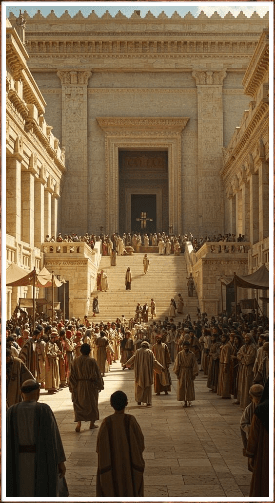
The phrase “the Highest himself hath founded her” suggests God’s active role in establishing Zion as a holy place. This reinforces the theme of divine sovereignty throughout the Psalms, where God’s authority is paramount. The idea of God as the founder echoes the belief that the city’s significance comes not only from its physical attributes but from divine endorsement.
Psalm 87 likely reflects a period when Jerusalem was regarded as the heart of Israelite identity, especially post-exilic, as the city was being rebuilt and restored. The returning exiles would have been deeply invested in reaffirming their identity, both in terms of lineage and their spiritual connection to Zion.
When examined beyond its immediate context, the verse has inspired a range of interpretations across diverse religious and cultural traditions. For instance, in early Christian writings, Zion evolves into a powerful symbol representing not only a geographical location but also the broader spiritual community of believers. This interpretation emphasizes the unity of followers of Christ, transcending ethnic and national boundaries. Early theologians, such as Augustine, understood Zion as a representation of the heavenly city, in which all believers, regardless of their origins, are regarded as part of a collective spiritual heritage. This perspective highlights the inclusive nature of faith, suggesting that spiritual belonging overrides earthly divisions.
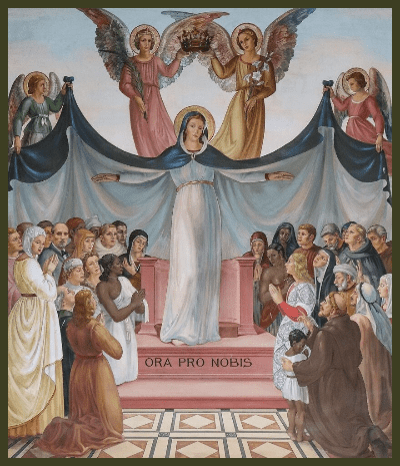
The text from Psalm 87:5 states, “Shall not Zion say: This man and that man is born in her, and the Highest himself hath founded her?” This passage can be explored in greater depth by examining the Virgin Mary’s role as the Mother of the Church. In the Bible, Zion symbolizes not only God’s chosen people but also His holy dwelling. It represents a place of divine presence, community, and spiritual significance. In parallel, Mary holds a foundational role within Christianity. She is revered as the Mother of God, the Theotokos, whose womb was the sacred space for the incarnation of Jesus Christ. Just as Zion is regarded as the birthplace of those who are spiritually renewed and connected to God’s covenant, Mary is the spiritual mother who brings forth the Redeemer and, through whom, the new covenant Church.
Furthermore, through her acceptance of God’s will at the Annunciation, Mary exemplifies obedience and faith, inviting all believers to find their spiritual identity in communion with Christ. This connection highlights how both Zion and Mary serve as pillars of the Church: Zion as the historical and symbolic representation of God’s people, and Mary as the embodiment of faith and maternal care, as a channel of grace that nurtures and supports the community of believers. In this way, both Zion and Mary stand as vital components in understanding God’s relationship with humanity and in the establishment of the Church.
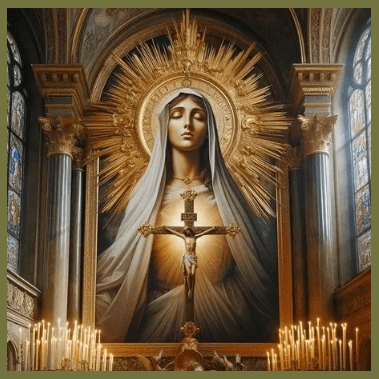
In Christian theology, Mary is often seen as the new Zion. She is regarded as the ultimate dwelling place of God on Earth, for through her, Jesus Christ—the incarnate Son of God—was born into the world. Just as God chose Zion as the epicenter of His worship, guidance, and communal identity, Mary plays an essential and transformative role in establishing the Church’s foundation. Her motherhood of Jesus not only fulfills ancient prophecies but also symbolizes a new covenant in which God continues to dwell among humanity, guiding them through faith and grace. Moreover, Mary’s acceptance of this divine calling exemplifies the ideal response to God’s invitation, making her a model for all believers in their journey of faith.
Indeed, when the psalm mentions that “this man and that man is born in her,” it powerfully evokes the idea of individuals being nurtured and shaped within the vibrant community of faith. Mary, revered as the Mother of the Church, plays a pivotal role in this process, embodying the essence of spiritual motherhood. Through her unwavering consent and grace, she gave birth to Jesus Christ, who is the embodiment of divine grace and salvation.
Mary’s maternal influence extends beyond the historical incarnation; she serves as a guiding light for believers, nurturing them in their spiritual journeys and interceding on their behalf before God through the Messianic age. She represents a tangible connection to the life of grace, and her role is akin to that of Zion, which symbolizes a source of spiritual vitality and protection for its people. Just as Zion nurtures and sustains its inhabitants, Mary provides spiritual nourishment and support, fostering a deep sense of belonging and faith among all Christians.
Furthermore, the phrase “the Highest himself hath founded her” powerfully underscores the belief in God’s divine plan, which intricately intertwines both Zion and Mary. This emphasis suggests that Mary’s role is not merely incidental but rather a deliberate choice by God, highlighting her sanctification and unique position within the Christian narrative. By viewing Mary as a pivotal figure in God’s plan, believers recognize her profound connection to the Church, interpreted as the mystical body of Christ.
Thus, this connection elevates Mary’s motherhood beyond a singular maternal role; it symbolizes a maternal relationship that encompasses all Christians. Through her heavenly intercession and exemplary life in God’s grace, Mary serves as a model of faith and devotion, fostering an enduring bond among the faithful. Her influence is seen as a guiding force that nurtures spiritual growth and unity within the Christian community, reinforcing the idea that her maternal care extends to believers throughout the ages.

Ave Maria
Patristic testimony
St. Irenaeus, Against Heresies, 4, 33, 12 (A.D. 180-190)
St. Clement of Alexandria, Paedagogos, I:6 (A.D.202)
St. Methodius of Philippi De sanguisusa 8, 2 (ante A.D. 311)
St. Epiphanius of Salamis, The Man Well-Anchored 75 (A.D. 374)
St. Augustine of Hippo, Tract 1, 8 (ante A.D. 430)

 Marian Scripture
Leave a comment