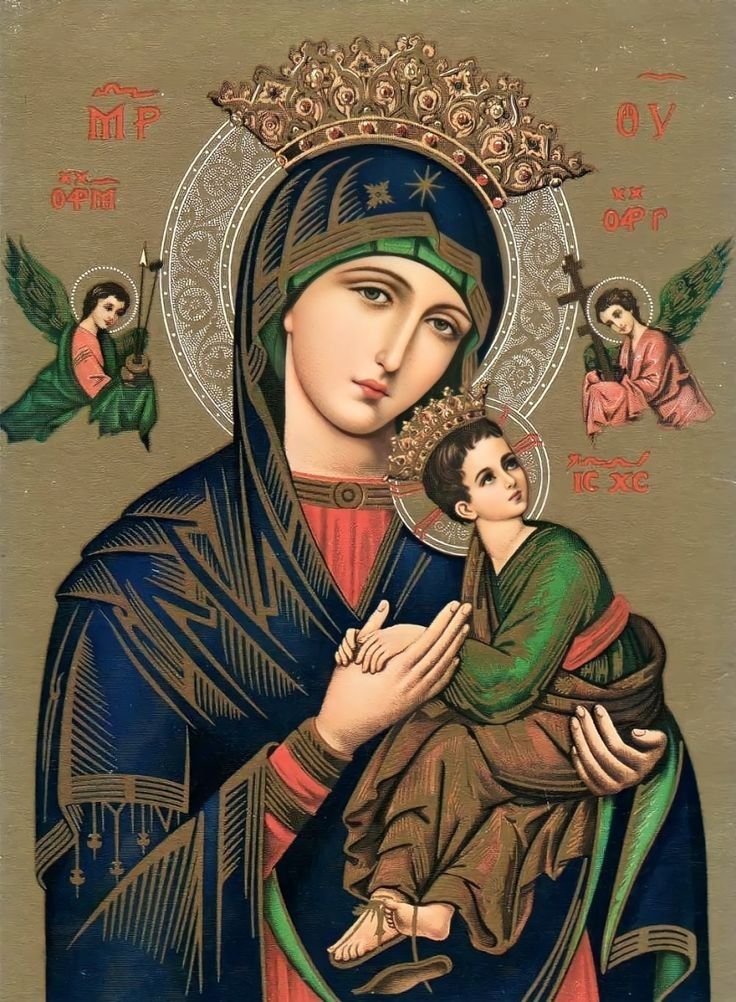
MEDIATRIX OF GRACE
May he send you help from the sanctuary,
and give you support from Zion.
Psalm 20:2
The verse “May he send you help from the sanctuary and give you support from Zion,” found in Psalm 20:2, forms a significant part of a communal prayer or blessing within the Hebrew scriptures. This psalm, traditionally attributed to King David, is often categorized as a royal psalm. It is believed to have been composed during critical moments of conflict or distress, serving as a heartfelt plea for divine intervention.
In its historical context, the psalm likely aimed to invoke God’s protection and guidance for a king or to rally the nation of Israel in the face of adversity. The “sanctuary” refers to God’s dwelling place, traditionally understood as the Jerusalem temple, where God’s presence resides. By seeking assistance from the sanctuary, the psalmist invokes God’s direct intervention and support in times of need. Zion symbolizes the holy city of Jerusalem, underscoring the deep connection between national identity, faith, and the divine support sought during times of turmoil or challenge.
The verse captures an enduring sense of hope and unity among individuals who come together in faith, reinforcing the belief that divine intervention is accessible to those who earnestly seek it. It emphasizes the collective strength found in shared worship and prayer, illustrating the communal aspect of turning to a higher power for support during challenging periods. This reliance not only fosters a sense of togetherness but also instills confidence in God’s unwavering capacity to provide comfort and guidance when needed most.
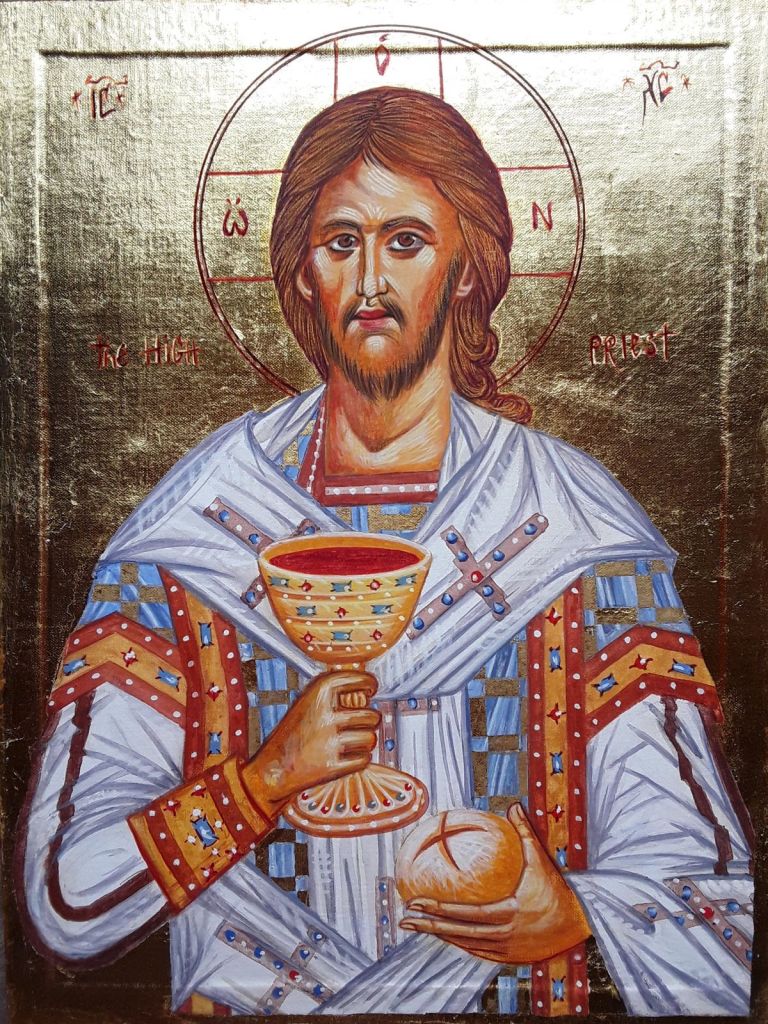
Hebrews 9:24 highlights the profound significance of Christ’s entry into the heavenly sanctuary, which starkly contrasts with the earthly tabernacles constructed by human hands. This passage underscores that Christ does not merely enter a physical space; rather, He enters the very presence of God, serving as a perpetual intercessor for humanity. This act signifies a divine and eternal connection that transcends the limitations inherent in the Old Covenant’s rituals, which were temporary and bound to time and space. In essence, Christ’s role embodies a transformative shift from the shadow of the earthly sacrificial system to a direct relationship with God, establishing a new covenant that offers believers lasting assurance of redemption and access to divine grace.
The text addresses several key aspects of Jesus Christ’s role as the High Priest, emphasizing His unique and superior position compared to the Old Testament Levitical priesthood (cf. Hebrews 4:14-16; 7:11-28). Jesus serves in a heavenly tabernacle, which is described as the “true tabernacle.” This contrasts with the earthly temple used in the Old Testament. The idea is that Jesus operates in a divine, perfect setting, symbolizing that His ministry is not merely a replica or a shadow, but the authentic fulfillment of God’s plan. Unlike the Levitical priests, who were mortal and needed to be replaced due to death, Jesus’ priesthood is eternal. His role as High Priest is unchanging and everlasting. This permanence suggests that His ability to mediate between God and humanity is consistent and reliable. Jesus is described as living forever to make intercession for believers. This means that He continually advocates for us before God. His eternal existence guarantees ongoing support and assistance to those who seek a relationship with God through Him, underscoring the belief that Jesus offers a secure, ongoing pathway to salvation.
Furthermore, Jesus is characterized as holy and sinless, in contrast to earthly priests who were inherently flawed and sinful. His ability to empathize with human weaknesses comes from His experience as a human, yet He remains free from sin. This dual nature enables a deeper understanding and a better representation before God, leading to a “better covenant” for believers. Finally, Jesus provides direct access to God, referred to as the “throne of grace.” This concept underscores the belief that, through Jesus, believers can approach God with confidence, without intermediaries. It emphasizes a personal relationship between the believer and God, made possible by Jesus’ sacrifice and ongoing priestly role. Overall, the text presents Jesus as the ultimate mediator who fulfills and surpasses the role of the Old Testament priests, offering believers assurance and direct access to God.
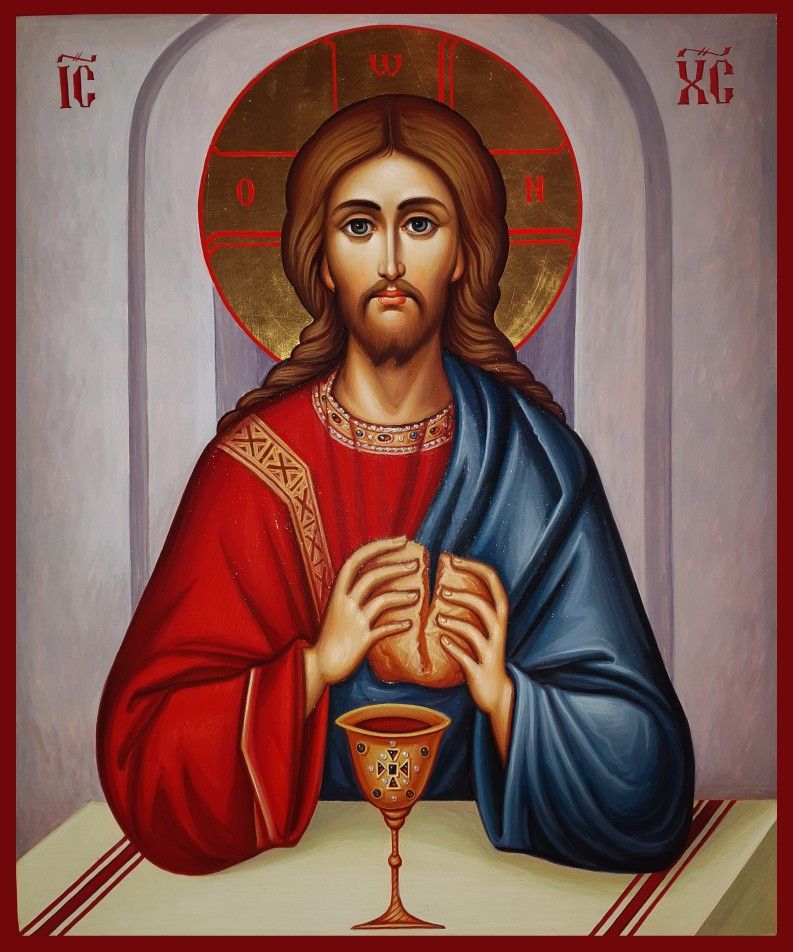
Thus, when we connect this to Psalm 20:2, which states, “May he send you help from the sanctuary and grant you support from Zion,” we can see a complementary relationship between the two texts. Psalm 20 reflects a petition for divine assistance and blessing, emphasizing reliance on God’s strength. The “sanctuary” here likely refers to the earthly temple where worship and sacrifices were offered, as well as to a metaphorical representation of God’s presence.
Hebrews speaks to the fulfillment of Psalm 20’s anticipation. While Psalm 20 looks to the physical temple for help, Hebrews reveals that the true sanctuary is heaven itself, where Christ offers perpetual intercession. This connection underscores the transition from the old covenant, in which help was sought through temple rituals, to the new covenant, in which believers can confidently approach God through Christ, who provides immediate access to divine support and grace.
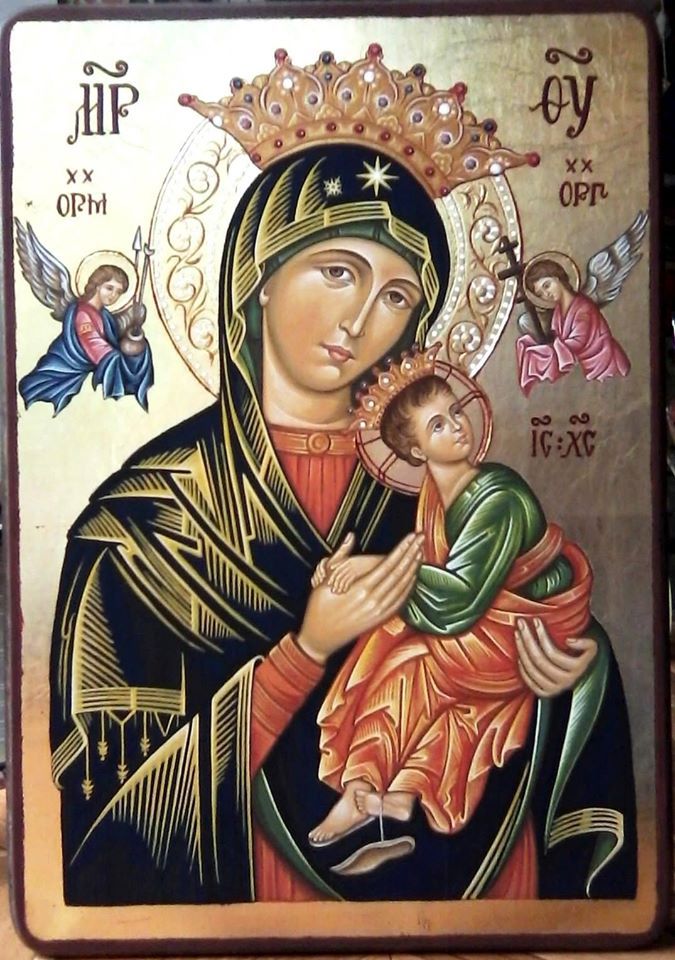
As noted, Psalm 20:2 underscores the importance of divine assistance and support, emphasizing that this help originates from a sacred and revered place. In Christian theology, the sanctuary and Zion are not just physical locations; they embody the presence and grace of God, representing a spiritual haven where believers can encounter the divine. In this context, Mary’s role is particularly significant, as she is an intermediary who facilitates communication between believers and God. This understanding highlights her unique position in Christian doctrine, in which she serves as a compassionate advocate through whom the faithful can seek divine guidance and aid in their lives.
Mary, revered as the Mother of Jesus Christ, occupies a central role in the theology of grace within the Christian tradition. Her title as Mediatrix underscores her unique position in salvation history, allowing her to intercede for humanity by presenting our prayers, hopes, and needs to God through her Son, Jesus, in his priestly humanity. This intercessory role not only bridges the faithful to the divine but also emphasizes the nurturing aspect of her relationship with Christ and humanity.
In this capacity, Mary enhances the believer’s spiritual journey, inviting them into a profound communion with God. This connection echoes Psalm 20:2, which speaks of seeking assistance from a holy source, and reinforces the idea of Mary as a spiritual sanctuary. She serves as a compassionate advocate, urging the faithful to deepen their relationship with the divine by seeking her intercession. Through Mary, believers are encouraged to embrace the grace that flows from God, fostering a more intimate and transformative faith experience.
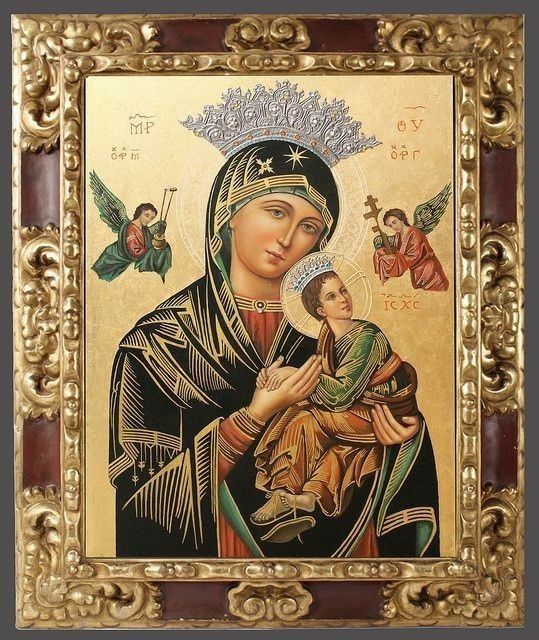
The designation of the Virgin Mary as the Mediatrix of Grace is substantiated through a variety of biblical passages and theological interpretations that underscore her unique and pivotal role in salvation history. In the Gospel of Luke, specifically in Luke 1:38, Mary declares her acceptance of the Angel Gabriel’s momentous announcement that she will conceive Jesus, proclaiming, “I am the Lord’s handmaid.” This profound response is not merely an expression of acquiescence; it is emblematic of her willing and active participation in God’s salvific plan. By consenting to bear the Son of God, she transcends the role of a passive instrument. She becomes a pivotal mediator in the incarnation of Christ, facilitating the divine entering into humanity. Furthermore, theological reflections often highlight Mary’s ongoing intercessory role, suggesting that her maternal connection to Christ enables her to mediate grace to the faithful, reinforcing her title as Mediatrix in both Scripture and Tradition.
In John 2:2-5, the account of the Wedding at Cana unfolds, revealing Jesus’ divine power through His first miracle. During the festivities, Mary, the mother of Jesus, notices that the hosts have run out of wine, a critical situation that could cause social embarrassment for the newlyweds. Understanding the importance of this moment, she approaches Jesus and informs Him of the predicament. Her intercession highlights not only her concern for the couple but also her deep understanding of Jesus’ potential to meet human needs. When she tells the servants, “Do whatever he tells you,” she demonstrates her faith in Him, suggesting that her role as an intercessor can bridge our earthly concerns to Christ’s divine grace. This interaction emphasizes the significance of Mary’s influence in bringing forth Christ’s miraculous act, inviting reflection on how her maternal care and intercessory role reveal a deeper spiritual truth for believers seeking guidance and support in their own lives.
At the crucifixion, as depicted in John 19:26-29, Jesus addresses Mary, His mother, and the disciple John in a poignant moment. He says to Mary, “Woman, behold your son,” indicating John as a new source of support for her. To John, He declares, “Behold your mother,” entrusting the care of Mary to him. This profound exchange emphasizes not only Mary’s role as the mother of Jesus but also designates her as a spiritual mother to all believers, suggesting that her nurturing presence and guidance will extend beyond Jesus’ earthly life. By doing so, Jesus underscores the importance of community and care among His followers, inviting them to look after one another in faith and love, much like a family would. This moment solidifies Mary’s significance within the early Christian community (particularly the Johannine community) and her ongoing influence in nurturing believers’ faith across generations.
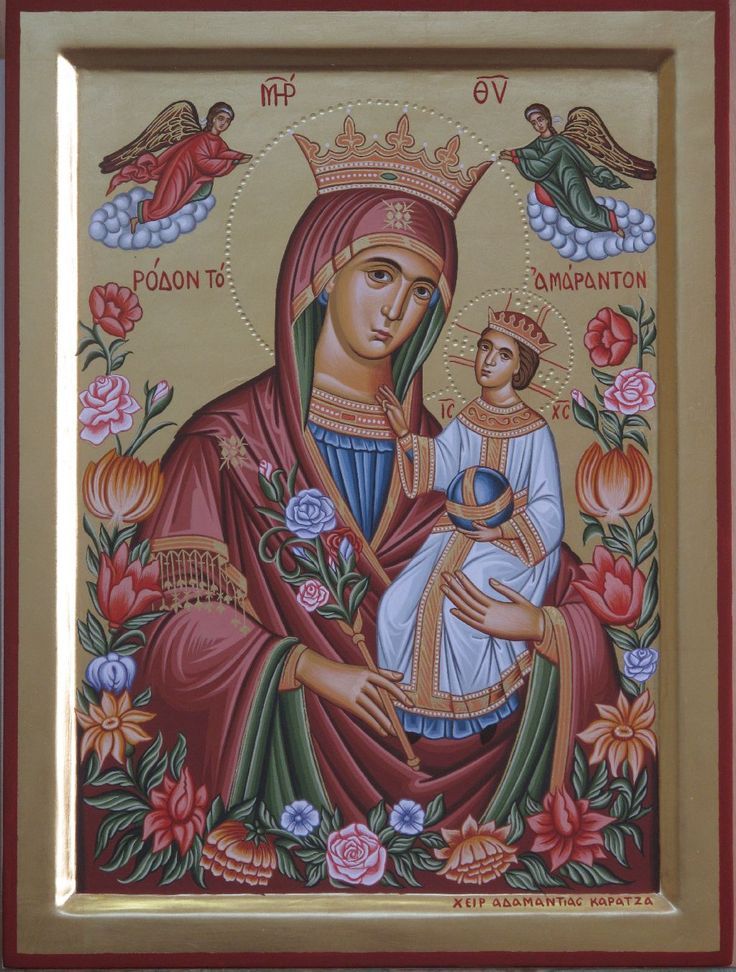
Over the centuries, the Church has cultivated a rich theological understanding that emphasizes Mary’s intercessory power, particularly in the development of key Marian doctrines. Within this framework, Mary is revered not only as the Mother of God but also as a vital channel of grace, through which she communicates Christ’s redemptive grace to humanity. The doctrine of her perpetual virginity asserts that Mary remained a virgin before, during, and after the birth of Jesus, highlighting her unique role in salvation history as our universal spiritual mother. Meanwhile, the Assumption teaches that Mary was taken up, body and soul, into heavenly glory at the end of her earthly life, signifying her special status and her closeness to her Son, Jesus Christ, in the heavenly sanctuary. Therefore, she is often invoked as an intercessor, believed to plead on behalf of the faithful, guiding them towards a deeper relationship with God and extending His grace in times of need. This theological perspective underscores the profound reverence with which the Church regards Mary and her ongoing divine office in the spiritual life of its members.
Mary is frequently regarded as an embodiment of the Church, symbolizing essential virtues such as unwavering faith, deep obedience, and selfless charity. Throughout the history of Christianity, she has been seen as the ideal disciple, perfectly exemplifying how to respond to God’s call with grace and humility. Just as the Church is entrusted with the sacred mission of mediating God’s grace to humanity, Mary personifies this role in her very being. Her acceptance of the Annunciation demonstrates her complete surrender to divine will. Her life, marked by pivotal moments such as the Visitation and her presence at the foot of the Cross, serves as an inspiring model for all believers, encouraging them to cultivate these essential qualities in their own journeys of faith. Mary’s steadfastness in times of trial and her profound compassion remind the faithful of the importance of love and service in the Christian life. In this way, she invites each person to deepen their relationship with God, fostering a spirit of devotion and charity that reflects the heart of the Church.
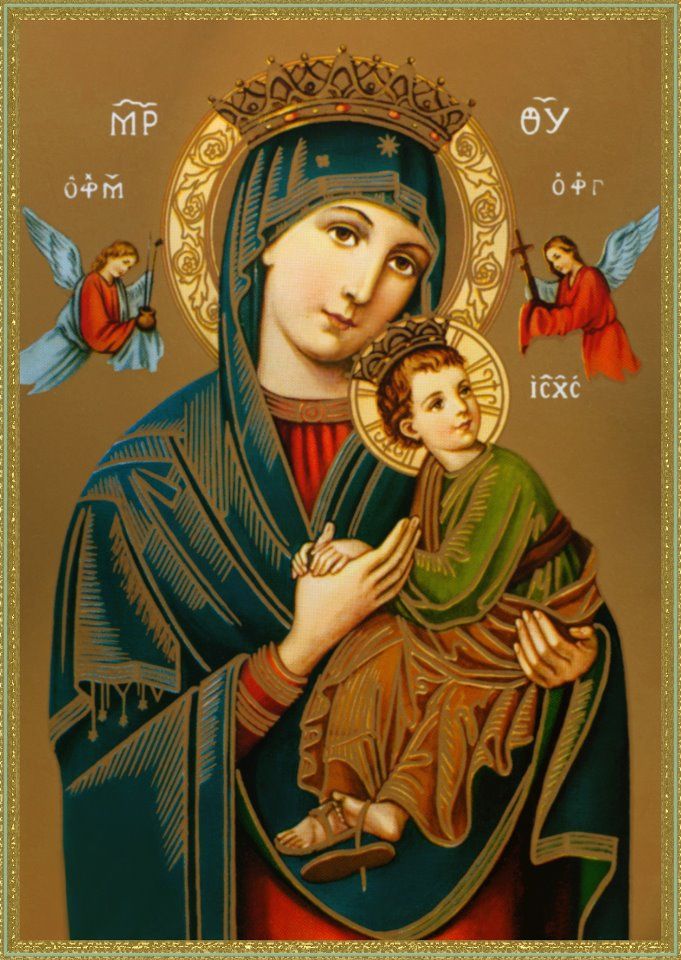
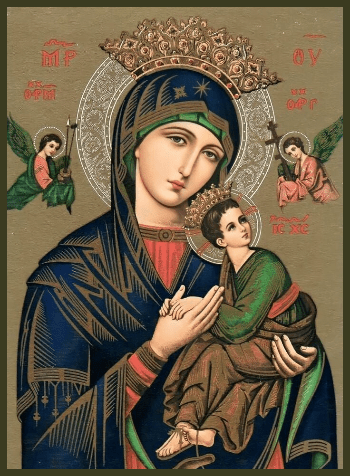
Our Lady of Perpetual Help,
Pray for us.

Ave Maria
Patristic testimony
St. Justin Martyr (A.D. 155)
Dialogue with Trypho 100
St. Irenaeus (A.D. 189)
Against Heresies 5:19:11, 38
St. Clement of Alexandria (A.D. 202)
Paedagogos, I:6
St. Epiphanius of Salamis (A.D. 375)
Against Heresies, 87
St. Augustine (A.D. 430)
Sermon 369:1
St. Proclus of Constantinople (ante A.D. 446)
Homily 1
St. Peter Chrysologus (ante A.D. 450)
Sermon 140
St. Basil of Seleucia (ante A.D. 459)
PG 85:452
St. Theoteknos of Livias (ante A.D. 560)
Assumption 291
St. Germanus of Constantinople (ante A.D. 733)
Homily on the Liberation of Constantinople, 23
St. Andrew of Crete (ante A.D. 740)
Homily 1 on Mary’s Nativity
St. John Damascene (A.D. 749)
On the Dormition of Mary, Homily 2:16

 Marian Scripture
Leave a comment