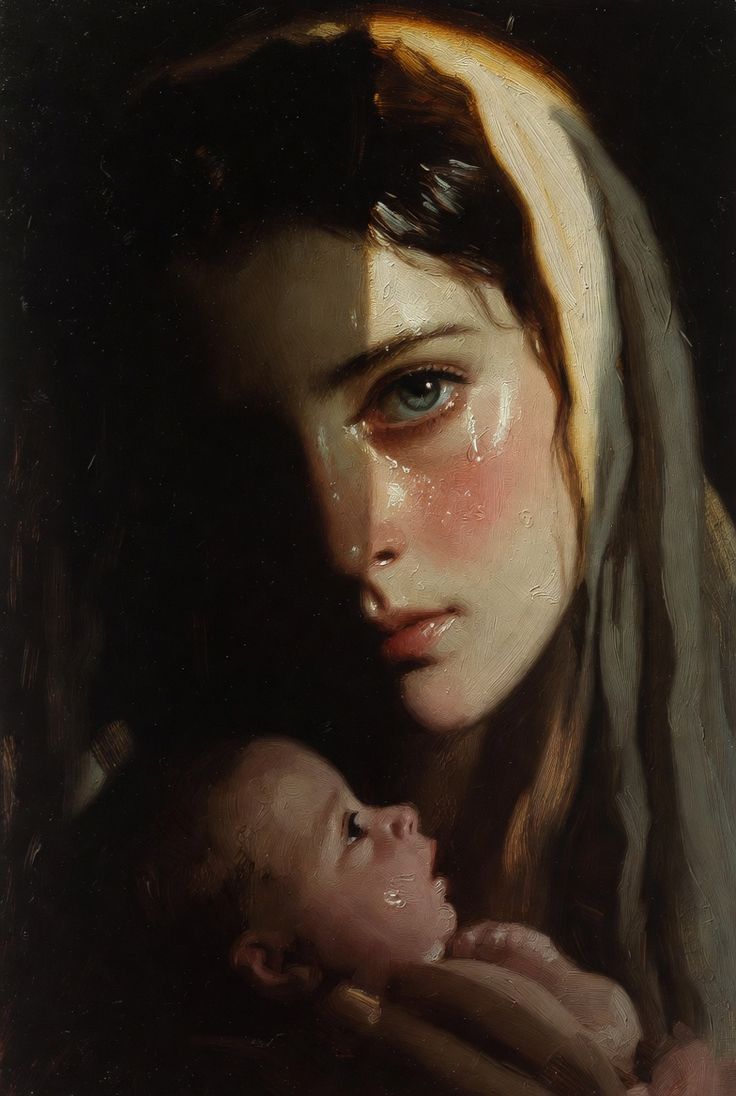
MATRIARCH OF THE COVENANT
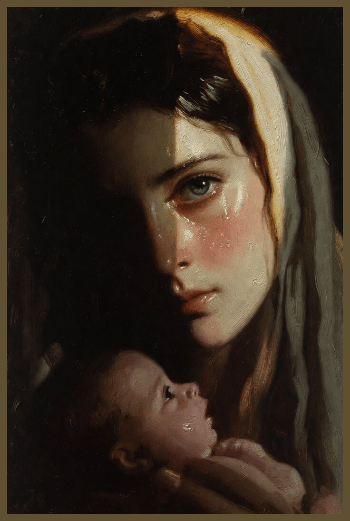
Thus says the LORD: A voice is heard in Ramah, lamentation and bitter weeping. Rachel is weeping for her children; she refuses to be comforted, because they are no more.
Jeremiah 31:15
Jeremiah 31:15 is a poignant verse that reflects deep sorrow and mourning during the Babylonian exile of the Israelites. To understand its historical backdrop, it’s essential to consider the events and themes that led to this moment in biblical history.
The prophet Jeremiah was a key figure during a tumultuous period in the late 7th and early 6th centuries BC, a time marked by political upheaval and impending disaster for the Kingdom of Judah. His prophetic ministry unfolded against the backdrop of growing tensions with the powerful Babylonian Empire, which sought to expand its territory. As Babylon’s influence intensified, Jeremiah warned his fellow Judeans of the dire consequences of their idolatry and social injustice, urging them to return to God and heed his message.
In 586 BC, the situation culminated in Jerusalem’s capture by Babylonian forces following a prolonged siege. This catastrophic event resulted not only in the destruction of Solomon’s Temple, a central place of worship and national identity for the Israelites, but also in the exile of a significant portion of the population to Babylon. This exile marked the beginning of a critical chapter in Jewish history, often referred to as the Babylonian Captivity, which profoundly affected the Jewish people’s religious and cultural life for generations to come. Jeremiah’s writings from this period reflect deep lamentation, but they also convey a message of hope for future restoration.
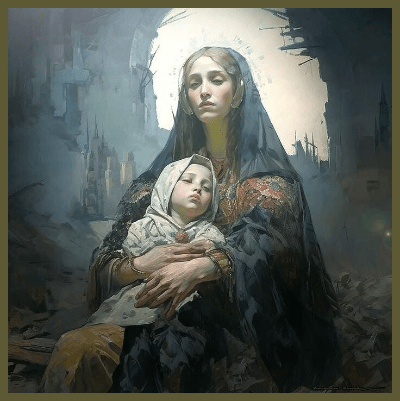
Ramah, as attested in historical texts, was a site near Jerusalem that served as a significant gathering point for the exiles. This site is historically linked to the deportation of the Israelites, representing the deep sorrow of their separation from their homeland and families. Additionally, Ramah carries both historical and prophetic importance, often symbolizing a place of mourning and loss.
The reference to Rachel weeping for her children draws on the poignant imagery of Rachel, one of Israel’s matriarchs, who embodies themes of motherhood, sorrow, and loss in the Biblical narrative. In this context, Rachel’s lament serves as a powerful symbol of the collective grief experienced by the people of Israel, mourning not only the tragic loss of their children but also the profound destruction of their nation and cultural heritage. This deep emotional resonance is particularly felt as Rachel is portrayed as the archetype of all mothers who have faced the heart-wrenching pain of losing their children amidst the savagery of war, displacement, and devastation.
The verse’s invocation of Rachel encapsulates the despair of an entire community, emphasizing the devastating impact of exile and the longing for restoration amidst the chaos and suffering. Ultimately, her tears reflect a universal experience of mourning, highlighting the enduring legacy of grief within the collective memory of a people torn apart by conflict.
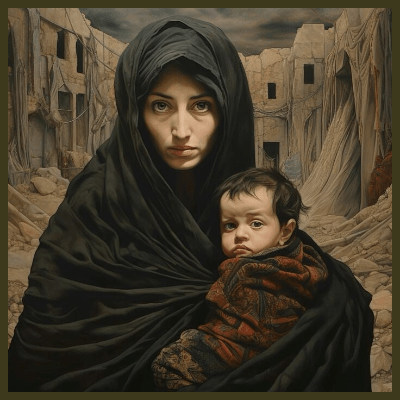
The weeping and refusal to be comforted powerfully underscore the profound despair experienced by the exiled Israelites, who grappled with the devastating loss of both hope and their cultural identity. Jeremiah’s poignant message, rich with lamentation, serves a dual purpose: it not only acknowledges the deep suffering and anguish of the people as they mourn their shattered lives and broken promises but also foreshadows the glimmer of hope for future restoration and renewal. This duality reflects a complex emotional landscape where grief intertwines with the anticipation of divine intervention, suggesting that even in the depths of despair, there remains a promise of redemption and the possibility of reclaiming their lost heritage.
This verse is nestled within a broader narrative in the book of Jeremiah, which poignantly captures themes of judgment, exile, and, ultimately, restoration. Specifically, it follows a series of laments that highlight the profound grief and sorrow of the Israelites as they face the consequences of their disobedience to God, leading to their captivity. In the surrounding verses and subsequent chapters, the tone gradually shifts toward messages of hope and renewal. These passages emphasize God’s unwavering commitment to His covenant with His people, offering reassurance of redemption and the promise of returning the exiles to their homeland. This overarching message underscores the belief in divine mercy and the potential for a restored relationship with God, despite the current turmoil.

Rachel is a significant figure in the Bible, known as one of the matriarchs of the Israelites (Genesis 29-35). She is the daughter of Laban and the favored wife of Jacob, who worked seven years to marry her. Rachel is primarily recognized for her deep love for Jacob and her struggles with infertility, which led to her giving her maid, Bilhah, to Jacob as a surrogate. Rachel eventually bore two sons, Joseph and Benjamin, making her a pivotal character in the lineage of the twelve tribes of Israel. Her story highlights themes of love, rivalry, and maternal sacrifice within the biblical narrative.
Rachel is associated with Jeremiah 1:15, where the Lord speaks of calling for the families of the kingdoms of the north. In this context, Rachel is often symbolically linked to mourning and loss, particularly in relation to the exile of her descendants. This connection is made clearer in other biblical passages, such as in Matthew 2:18, where Rachel is described as weeping for her children who are no more, referencing the slaughter of the innocents by King Herod. Rachel’s sorrow reflects the broader themes of loss and lamentation within the prophecies of Jeremiah, who speaks to the impending destruction and exile of the people of Israel. Thus, Rachel serves as a poignant representation of the grief caused by the consequences of unfaithfulness and disobedience in Jeremiah’s narrative.
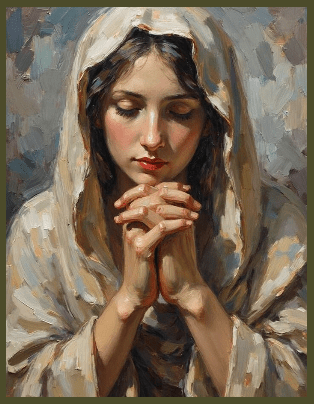
Rachel represents Israel’s loss and grief primarily due to the biblical narrative surrounding her life and death. In the Book of Genesis, Rachel faces significant hardships, including her struggle with infertility and the eventual sorrow of losing her children. One of the poignant moments in the Hebrew Bible reflecting her loss comes from the story of Rachel weeping for her children, which symbolizes the pain and suffering of the Jewish people, particularly during times of exile and persecution.
Rachel is often regarded as a poignant symbol of the profound sorrow experienced by the Jewish nation throughout history. Her tale, rooted in biblical narratives, underscores themes of loss and yearning, resonating deeply with the collective grief of her people. Traditionally, her grave, located near Bethlehem, is considered a sacred site for mourning and supplication, where countless individuals come to reflect upon their shared suffering and seek solace in their struggles. Rachel’s story, marked by themes of maternal sacrifice and longing, reinforces her role as a powerful emblem of loss, embodying the enduring spirit of hope for redemption among the Jewish community.
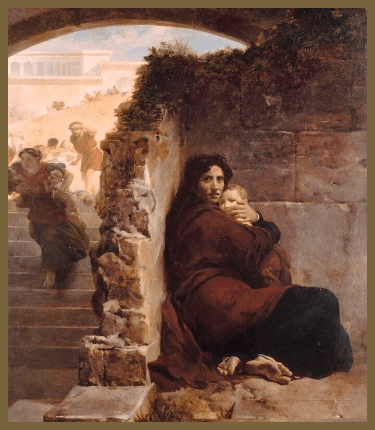
Jews seek Rachel’s intercession for God’s deliverance because of her association with compassion and maternal love. Many believe that she has a unique connection to God due to her suffering, which serves as a conduit for their prayers during times of distress. In Jewish tradition, her intercession is seen as a means of appealing to God’s mercy, especially during challenging times, such as exile or hardship. This connection underscores the importance of remembering and invoking the historical figures who experienced pain yet also hold the possibility of hope and redemption. This belief stems from an understanding of these matriarchs as having a unique and profound role within the divine narrative of the Jewish people. Rachel, in particular, is often associated with themes of compassion, maternal care, and empathy.
According to traditional texts, Rachel’s ability to intercede is highlighted in the context of mourning and loss, where her tears are said to resonate with the suffering of the Jewish people. Various Midrashic texts elaborate on Rachel’s role as an intercessor. For example, the Talmud (Baba Batra 10a) describes how Rachel pleaded with God on behalf of her children after the destruction of the Temple. In Jewish mystical literature, such as the Zohar, Rachel is often portrayed as a protective figure who advocates for the Jewish people in times of hardship. During the High Holidays and other times of penitence, such as Tisha B’Av. Rachel is invoked in the Selichot prayers, in which her compassionate nature is emphasized, and the nation is asked to seek her intercession.
The notion is that when individuals or communities invoke Rachel’s maternal compassion in prayer, they can appeal to God’s sense of justice and mercy, thereby encouraging Him to respond favorably to their plight. This deep-rooted connection between the matriarchs and the struggles of the Jewish nation emphasizes the enduring belief in their spiritual influence and protective presence in times of hardship.

In Christian theology, especially within the Catholic tradition, the Virgin Mary is frequently referred to as the co-Redemptrix. This title highlights her exceptional and pivotal role in the overarching narrative of salvation history, particularly during the Passion and crucifixion of Jesus Christ. Mary’s intimate involvement in the life of Christ—from his conception to his death—allows her to resonate deeply with the Christian themes of suffering and redemption.
As the mother of Jesus, she not only nurtured him but also shared in the profound suffering of his Passion. Standing at the foot of the Cross, Mary’s heart was pierced with sorrow, embodying immense grief and sacrifice as she witnessed her son endure extreme pain and humiliation. This moment underscores her unique relationship to redemption, illustrating her collaborative role in the salvation that Jesus accomplished through his death and resurrection.
Like Rachel from the Hebrew Scriptures, Mary’s suffering is profoundly maternal, embodying a deep emotional connection to the agony of others. At the moment of the Cross, she experiences unimaginable sorrow, paralleling Rachel’s lament for her children, as she watches her son, Jesus, endure crucifixion. This powerful juxtaposition of the two figures invites deeper reflection on the nature of maternal intercession within the context of faith and suffering.
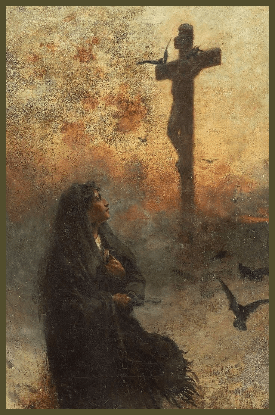
Mary’s willing acceptance of God’s plan is profoundly illustrated during the Annunciation, a pivotal moment when the angel Gabriel appears to her with the extraordinary message of her impending motherhood. This encounter, marked by divine mystery and significance, highlights her remarkable courage and unshakeable faith. Mary’s readiness to embrace her role in the divine narrative not only reflects her deep trust in God’s purpose but also emphasizes her active participation in the work of salvation.
By consenting to become the Theotokos, or “God-bearer,” Mary transcends the role of a passive observer. She instead assumes a position of profound influence and responsibility, embodying a powerful advocate for humanity in the unfolding story of redemption. Her fiat, or “let it be done,” demonstrates a courageous act of volition, as she accepts the potential for both immense joy and profound challenges that lie ahead. In doing so, she becomes an integral part of the redemptive process, showcasing her unwavering commitment to God’s will and her pivotal role in the salvation of humankind. Through her acceptance, Mary not only gives rise to Jesus but also represents the profound connection between divine grace and human cooperation.
This aspect of Mary’s character strongly resonates with the biblical figure of Rachel from the Old Testament. Rachel, who famously weeps for her children and steadfastly refuses to be comforted, symbolizes the profound protective and intercessory nature of a mother who pleads fervently on behalf of her offspring. Her sorrow, as depicted in the Book of Jeremiah, echoes the anguish of countless mothers throughout history who endure the suffering of their children. Together, Mary and Rachel exemplify the virtues of maternal love and selfless intercession. Their intertwined narratives invite believers to reflect deeply on the weight of maternal sacrifice, the enduring strength of a mother’s love, and the divine compassion that persists through generations. This connection enriches our understanding of motherhood within the religious context, illustrating both the vulnerability and the unwavering strength that mothers embody in their roles as nurturers and advocates for their children.
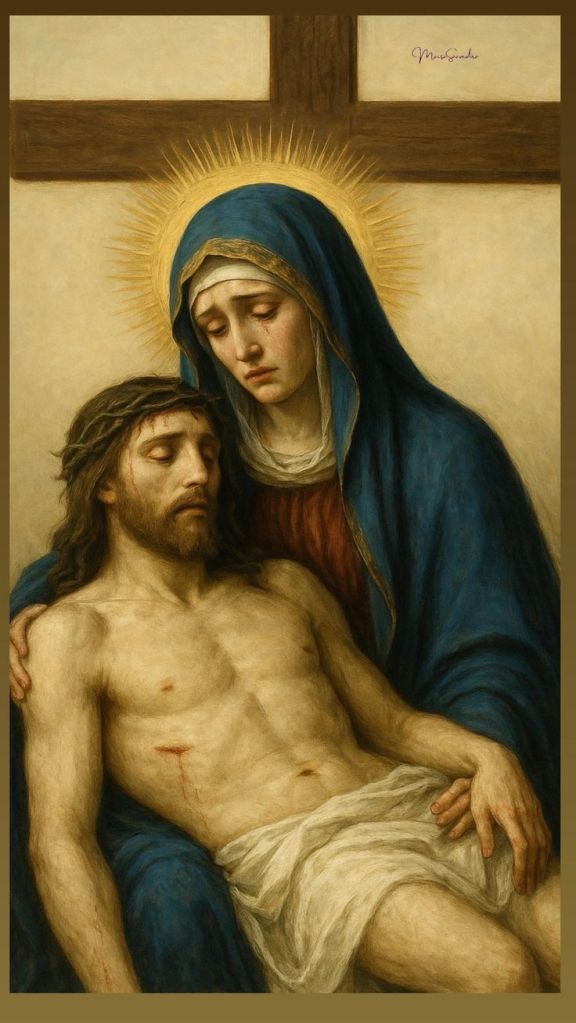
Both women wield significant influence in their intercessory roles, embodying archetypal figures within their respective traditions. Rachel, a matriarch of the Jewish people, is deeply intertwined with their collective consciousness and cultural identity. Her enduring connection symbolizes the perennial hope for restoration, healing, and reconciliation among her descendants. In Jewish liturgy, her intercession is often invoked through heartfelt prayers, particularly during times of distress and calamity. For instance, the tradition of reciting the “Kaddish” prayer in her merit signifies the yearning for her maternal compassion to resonate with divine mercy. Many prayers and rituals reflect the belief that Rachel’s deep, maternal concern enables her to plead with God on behalf of her children, seeking alleviation of suffering and divine favor. This enduring dedication to her descendants reinforces her role as a symbol of resilience and steadfastness, nurturing a profound sense of spiritual connection and hope amongst the Jewish community.
Mary’s role as co-Redemptrix is a profound aspect of Christian theology, emphasizing her unique relationship with her son, Jesus Christ. As Co-Redemptrix, Mary is seen as an intercessor who appeals to Jesus on behalf of humanity, embodying both compassion and maternal love. This belief underscores that, through her intercession, believers can find not only comfort but also a pathway to divine grace and forgiveness.
The Catholic tradition holds that Mary’s deep compassion and maternal instincts can affect God’s mercy, akin to the biblical narrative of Rachel, who weeps for her children. This connection highlights the emotional depth of Mary’s role as intercessor. Prayers and devotions directed towards Mary, such as the Rosary, serve as means for individuals and communities to seek her intercession, particularly during times of personal grief or collective despair. Such practices underscore her role as a mediator, bridging the gap between humanity and the divine, thereby further solidifying her vital place in the spiritual lives of the faithful. Through these acts of devotion, many devotees feel a closer connection to God, enhanced by Mary’s loving presence.
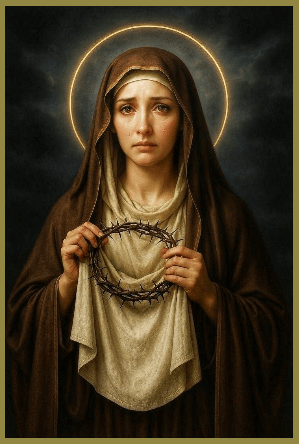
The doctrine of Mary as co-Redemptrix is a theological concept in Catholic teaching that emphasizes Mary’s unique role in the redemption of humanity alongside her Son, Jesus Christ. This doctrine is rooted in the understanding of Jesus as the sole Redeemer, while acknowledging that Mary cooperated uniquely with God’s plan for salvation.
Mary’s suffering during the Passion of Christ, particularly her presence at the crucifixion, showcases her deep sorrow and compassion. Catholic teaching holds that her sufferings were not redundant but had profound significance in participating in Christ’s redemptive sacrifice. As co-Redemptrix, Mary is seen as an intercessor for humanity. Her acceptance of suffering and her maternal care for all believers position her as someone who brings humanity to her Son. She intercedes on behalf of people, presenting their needs to God. By virtue of her cooperation with divine grace, Mary is believed to bring forth spiritual children through her intercession. This reflects the belief that her role does not diminish Christ’s singular authority as Redeemer but rather enhances understanding of how human cooperation with divine grace contributes to salvation.
In conclusion, the connection between Rachel and the Virgin Mary offers rich theological insights regarding the nature of suffering, maternal love, and intercession. Both figures exemplify the deep sorrow associated with the loss of children and serve as symbols of hope and compassion. Their powerful plea for mercy and healing underscores a shared narrative that resonates across Jewish and Christian traditions. This connection not only enriches the understanding of their respective roles but also reflects the profound continuity of the maternal archetype in the journey of faith and redemption.


 Marian Scripture
Leave a comment