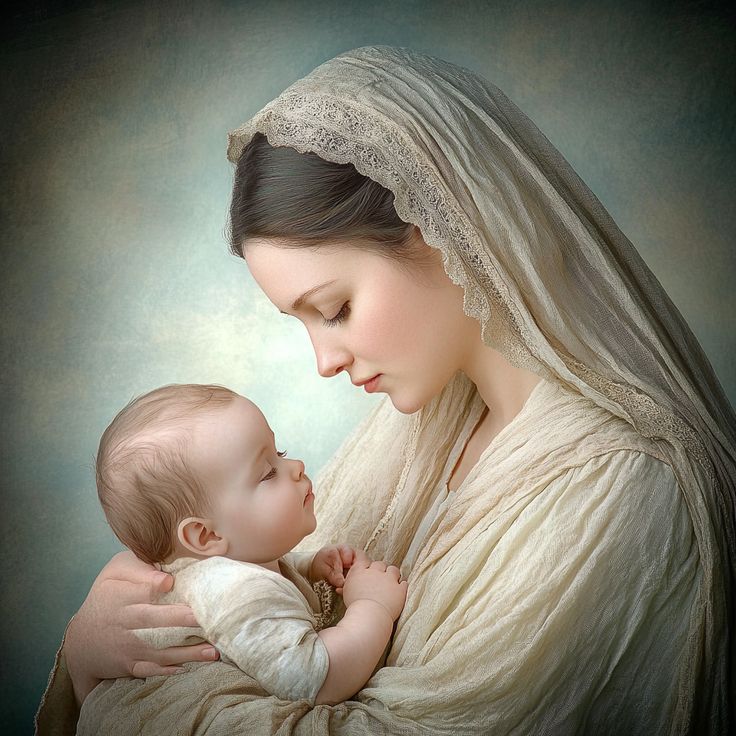
THE IMMACULATE CONCEPTION

Out of Zion, the perfection of beauty,
God hath shined forth.
Psalm 50, 2
The verse “Out of Zion, the perfection of beauty, God hath shined forth” is embedded in a larger discourse within the Psalms that powerfully emphasizes God’s majesty, holiness, and His intimate relationship with His people. In its primary context, Zion is often identified with Jerusalem, a city of profound religious significance in the Hebrew Bible, recognized as the earthly dwelling place of God among His chosen people.
The phrase “perfection of beauty” suggests that Zion transcends its status as a mere physical location; it symbolizes divine splendor and represents God’s unique presence. This expression holds that Zion embodies the ultimate ideal of beauty according to divine standards, serving as a testament to the harmonious convergence of nature and the divine. It indicates that God’s beauty and glory are profoundly manifested in this sacred space, where every element—from the majestic mountains surrounding it to the serene waters nearby—reflects divine order and magnificence. Thus, Zion stands not only as a geographical landmark but as a spiritual emblem of hope, purity, and the eternal connection between heaven and earth.
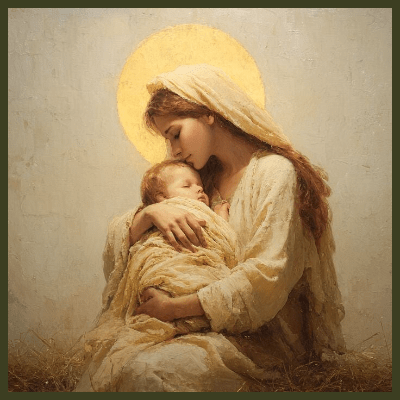
The verse not only highlights the importance of Zion but also serves as a thematic foundation for the subsequent verses in the psalm, which address the people of Israel, urging them to reflect deeply on their relationship with God. It emphasizes His sovereignty and underscores the necessity of authentic worship, calling individuals to align their lives with His divine will. Furthermore, the imagery of God shining forth evokes a powerful sense of revelation, suggesting that His glory is made evident to and through His people. This illumination invites them to recognize His greatness and respond with reverence and faith.
Ancient Israel was consecrated (set apart as sacred) through God’s covenants, particularly the Abrahamic Covenant and the Mosaic Covenant at Sinai, which identified it as His “valued possession,” a “nation of priests,” and a “holy people.” Their holiness depended on their adherence to His laws, even though it was based on His divine selection. Their sanctification was not an intrinsic quality but a divine gift of grace that distinguished them and required a life of holiness to uphold the covenant relationship and prepare them for the arrival of the Messiah.
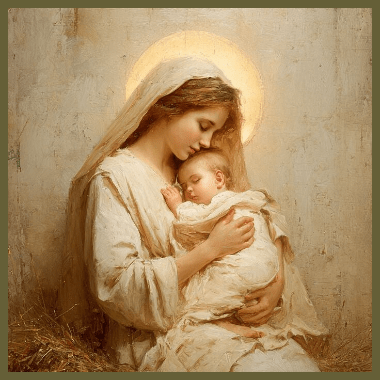
The text from Psalm 50:2, “Out of Zion, the perfection of beauty, God hath shined forth,” can be interpreted in a profound way when connected to the doctrine of the Immaculate Conception of the Virgin Mary and its significance to the Incarnation of God.
Zion is a sacred place, often associated with the presence of God and divine revelation in the Hebrew Scriptures. The phrase “perfection of beauty” emphasizes something that is not only aesthetically pleasing but also divinely ordered and flawless. This sets the stage for understanding how Mary, in her immaculate conception, embodies this perfection. According to Catholic doctrine, the Immaculate Conception refers to Mary’s conception without original sin, meaning she was preserved from the fallen nature that affects all humanity. This unique grace of sanctification and justification, given the foreseen merits of her divine Son, makes her a fitting vessel for the Incarnation; the moment God becomes man in the person of Jesus Christ.
Mary’s purity and holiness echo the “perfection of beauty” referenced in the psalm, highlighting her role as a beacon of divine light. Just as Zion is portrayed as the place from which God’s glory shines forth, so too does Mary reflect God’s glory through her purity and obedience to His will. In this light, her sinless nature is essential to the environment that enables God to enter the world in human form. The Incarnation is not merely a historical event; it is a transformative act that bridges the divine and the human, making God accessible to humanity.
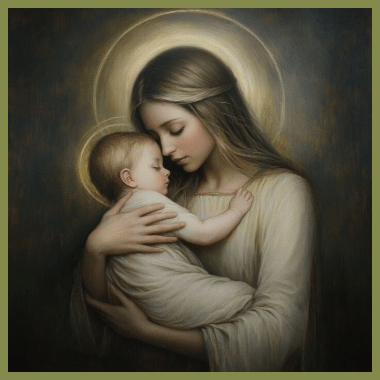
In essence, the beauty and perfection attributed to Zion can be paralleled with Mary’s unique grace. The psalm emphasizes the divine illumination that comes from this “perfection,” and we can see Mary as the one through whom this illumination culminates in the birth of Christ. Her acceptance of God’s plan demonstrates an extraordinary faith and willingness, reflecting the divine nature of beauty and purity that God bestows upon her in preparation for the divine maternity.
Hence, Psalm 50:2 serves as a profound spiritual framework that emphasizes the significance of the Immaculate Conception of Mary in relation to the Incarnation of Jesus Christ. This verse illustrates how God chose to manifest His brilliance and divine beauty through a pure and sinless vessel, specifically Mary, who was conceived without original sin. This unique status not only highlights her purity but also symbolizes the anticipation and preparation for Christ’s coming.
Through Mary’s immaculate nature, God demonstrates His immense love and grace, ultimately revealing the depth of His desire for a personal relationship with humanity. By choosing Mary, He set in motion the miraculous event of the Incarnation, where the Word became flesh and dwelt among us, offering salvation to all. This connection underscores both the honor bestowed upon Mary and the extraordinary lengths to which God goes to reach and redeem humanity through Jesus Christ.

Ave Maria

 Marian Scripture
Leave a comment