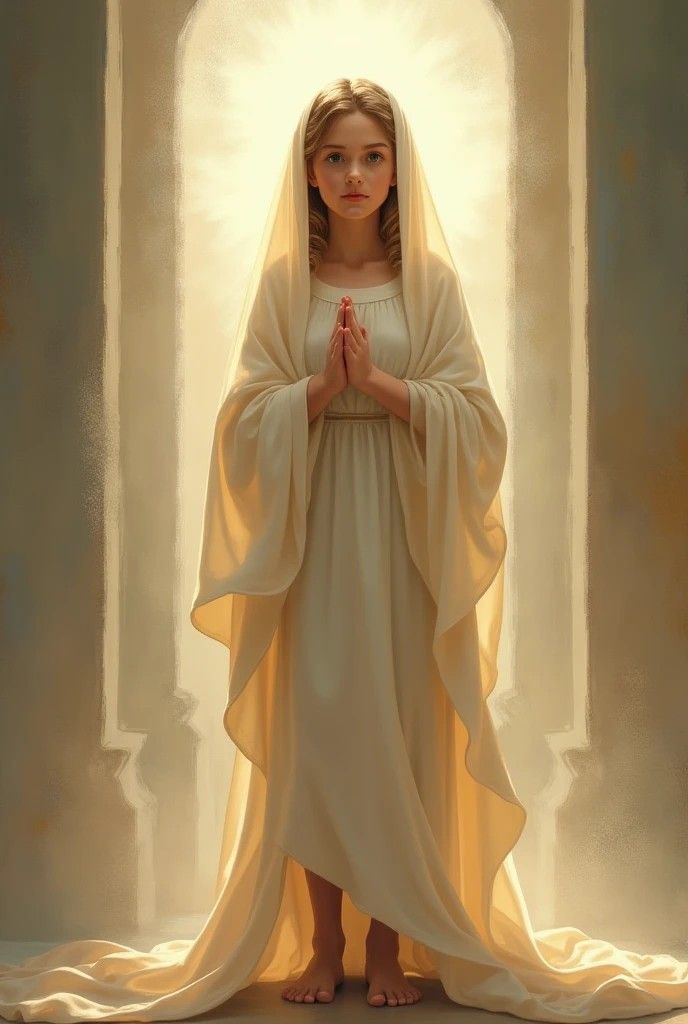
THE PERPETUAL VIRGINITY OF MARY
A garden enclosed is my sister, my bride; a spring locked, a fountain sealed.
Song of Solomon 4, 12
In Song of Solomon 4:12, the verse “A garden enclosed is my sister, my bride; a spring locked, a fountain sealed” uses rich imagery to convey the beauty and preciousness of love and intimacy. This passage is part of a larger poem celebrating romantic love and physical attraction within a committed relationship.
The metaphors of “sister” and “bride” evoke a profound theme of marital love, underscoring a deep-seated bond that encompasses both affection and desire. This relationship denotes a unique intimacy, suggesting not only a nurturing connection but also a romantic commitment. The imagery of a “garden enclosed” alongside a “fountain sealed” further underscores themes of purity, exclusivity, and protection.
Historically, gardens have served as powerful symbols of beauty, fertility, and abundance, representing a sacred space where growth and harmony flourish. The concept of being “locked” suggests that this garden, or the love it signifies, is reserved for a single individual, conveying a profound sense of exclusivity. This locking suggests a deliberate safeguarding of emotions and experiences deemed too precious to share indiscriminately with others.
Moreover, the idea of an enclosed garden implies a refuge, a sanctuary where love can thrive without outside interference. It communicates a strong message: this love is not only cherished but also protected from potential harm or dilution, offering a sense of safety and preservation. Thus, this imagery reinforces the notion that such a relationship is both special and singular, emblematic of a bond that transcends the ordinary and fosters a unique connection between two individuals.
In the text’s cultural context, this expression underscores the profound significance placed on sexual purity before marriage, reflecting a deeply rooted belief system that values fidelity and commitment. The metaphor of the “fountain” serves as a powerful symbol, representing not only the potential for physical intimacy but also the nurturing quality of love that can thrive within a devoted relationship. It evokes imagery of vitality and growth, suggesting that the emotional bond between the couple can foster a flourishing partnership and, ultimately, the creation of new life. This anticipation of marital love encapsulates the excitement and joy of the promises of marriage, highlighting the beauty of a shared journey guided by trust and mutual respect.
The verse from Song of Solomon can also be understood within the context of Christ and His church in several ways. In biblical language, an “enclosed garden” represents a place of purity and exclusivity. The idea of a garden being enclosed signifies that the beloved (the Church) is set apart, pure, and protected. This aligns with the Christian understanding of the Church as the Bride of Christ, who is called to remain holy and undefiled. Just as a garden is tended and cared for, so too is the Church nurtured by Christ through the sanctifying presence of the Holy Spirit.
This imagery conveys a deep sense of intimacy and belonging. In the context of Christ and His church, it reflects the covenant relationship established through Christ’s sacrifice. The enclosed garden suggests that the Church is secure in Christ’s love and that there is an exclusive relationship akin to that of a bride and groom. This conveys how Christ cherishes the Church and desires a profound connection with His followers.
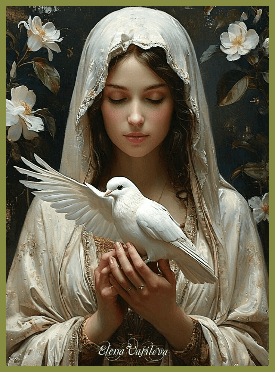
Moreover, the phrase “a fountain sealed” can be interpreted as Christ being the source of life and spiritual nourishment for the Church. Just as a fountain provides water, which is essential for life, Christ provides the living water needed for the spiritual vitality of His Church (John 4:14). The sealing of the fountain signifies that this source is protected and preserved, emphasizing that true satisfaction and life come only through a relationship with Christ.
The locked nature of the garden and the fountain suggests a mystery and depth to the relationship between Christ and the pilgrim Church that may not be fully realized in the present. It points toward the future revelation of divine truths and the ultimate fulfillment of God’s promises. Believers look forward to a time when they will experience the fullness of communion with Christ, beyond the present earthly existence.
Finally, this imagery can serve as a call to the Church to remain faithful and vigilant. Just as a locked garden necessitates care and guarding, the Church is called to protect its spiritual integrity. This entails resisting outside pagan and secular influences and remaining committed to the teachings of Christ, ensuring that it reflects the love and character of its Bridegroom.
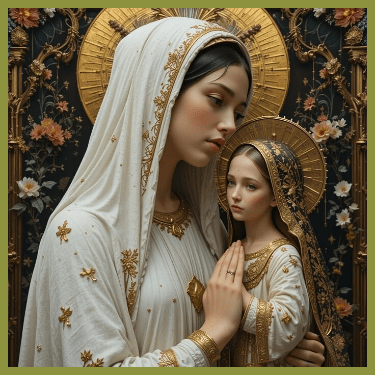
The verse from the Song of Solomon offers a wealth of interpretation within the Catholic tradition. This passage is more clearly understood when viewed through the lens of the Virgin Mary, who is often regarded as the Church’s prototype. In this context, Mary embodies the concept of being the Spouse of the Holy Spirit, representing both purity and divine grace (Luke 1:28, 35, 46). The imagery of an “enclosed garden” and “sealed fountain” reflects her perpetual virginity, signifying her unique role in salvation history and her intimate relationship with God. This metaphor not only emphasizes her singular holiness but also illustrates the protective and sacred nature of her motherhood, suggesting that her vocation was set apart for God’s divine purpose: the Incarnation. Thus, the verse speaks to the richness of Marian theology and its profound implications for understanding the Church’s identity and mission.
In this context, the imagery of an “enclosed garden” and a “fountain sealed” evokes profound themes of purity, sanctity, and a unique form of divine love. For Catholics, these descriptions carry significant theological implications, particularly regarding the Virgin Mary. The “enclosed garden” symbolizes Mary as a sacred space, carefully preserved and set apart by God’s grace. This imagery is often interpreted as representing her immaculate conception, which signifies that she was conceived without original sin, thereby embodying absolute purity. Moreover, the notion of a “fountain sealed” further emphasizes her perpetual virginity, suggesting an unbroken state of holiness and self-giving maternal love exclusively to her only-begotten divine Son and as the spiritual mother of all His brethren (Romans 8:29). In this light, Mary is revered not only as the Mother of God but also as a pivotal figure in salvation history, whose unique role is foundational to the Christian understanding of redemption and grace.
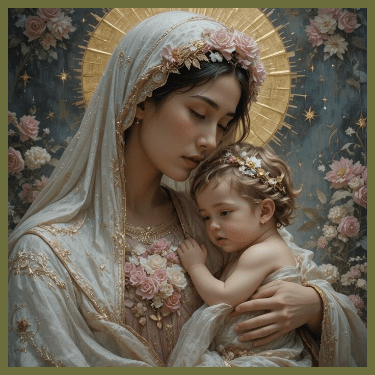
Furthermore, Mary’s designation as “my sister, my bride” underscores her profound, multifaceted relationship with both God and humanity. In Catholic teaching, she embodies the dual roles of a sister in faith to all believers and a bride to the Holy Spirit, thereby emphasizing her singular and pivotal place within the divine plan of salvation. This imagery not only signifies her remarkable purity and grace but also underscores her unwavering dedication and complete openness to God’s will. This total surrender is poignantly illustrated in the Annunciation, when she willingly accepted the monumental responsibility of becoming the Mother of God, thereby affirming her pivotal role in the Incarnation (Luke 1:38, 45). Mary’s unique position invites the faithful to reflect on their own relationship with God, encouraging a similar openness and willingness to embrace divine purpose.
The theme of the sealed fountain symbolizes the enduring nature of Mary’s virginity, emphasizing the belief that she remained a virgin not only before and during the birth of Jesus but also after His birth. This theological concept is rooted in the doctrine of the perpetual virginity of Mary, which underscores her unique role as the Mother of God. The imagery of the sealed fountain illustrates her purity and holiness, reinforcing the idea that she is a model of both faithfulness and spiritual integrity. This belief in her ongoing virginity has significant implications for Christian doctrine, as it highlights Mary’s sanctity and her special place within the sacred narrative of salvation. By portraying her as a figure of immaculate purity, the text renders her role pivotal to understanding divine grace and the hypostatic order of Christ’s incarnation.

Finally, this verse can also be interpreted as a profound affirmation of the sacredness of both covenantal marriage and love when viewed through the lens of divine purpose. Mary’s virginity is not merely a physical state; rather, it symbolizes a deeper spiritual commitment that amplifies her love and connection to God as His most chaste spouse. This unique vocation underscores the belief that true holiness and divine calling can manifest in diverse ways, encompassing both virginity and motherhood. Mary’s dual role illustrates that one can embrace both purity and nurturing, embodying complete devotion to divine will while fulfilling different aspects of life infused with love and purpose.
Hence, in a Catholic context, this verse serves as a profound acknowledgment of Mary’s unique role in salvation history. It emphasizes her status as the Mother of God (Theotokos) and highlights her perpetual virginity, which signifies her complete consecration to God and her singular vocation in the divine plan of redemption. Mary’s special relationship with the Holy Spirit, as His most chaste spouse, is also underscored, as her fiat, or acceptance of God’s will, was made possible by the Holy Spirit’s action. This intricate relationship not only underscores her pivotal role in the Incarnation of Christ but also underscores her significance in the faith and sacramental life of the Church, where she is revered not only as a model of faith and discipleship but also as Mother and intercessor for believers. Through her example, the faithful are invited to deepen their relationship with God and participate actively in the life of the Church.

Ave Maria

 Marian Scripture
Leave a comment