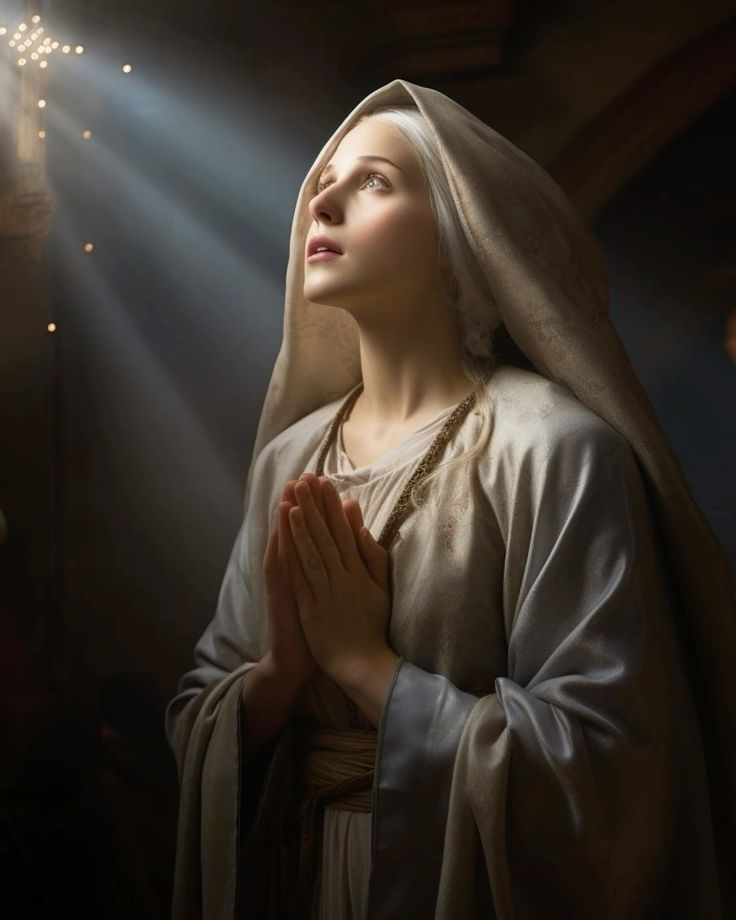
MATRIARCH OF THE COVENANT
But Abram said, “Lord God, what can you give me, if I die childless and have only a servant of my household, Eliezer of Damascus?” Abram continued, “Look, you have given me no offspring, so a servant of my household will be my heir.” Then the word of the Lord came to him: No, that one will not be your heir; your own offspring will be your heir. He took him outside and said, “Look up at the sky and count the stars, if you can.” Just so, he added, will your descendants be. Abram put his faith in the Lord, who attributed it to him as an act of righteousness.
Genesis 15, 2-6
God further said to Abraham: As for Sarai your wife, do not call her Sarai; her name will be Sarah.
I will bless her, and I will give you a son by her. Her also will I bless; she will give rise to nations,
and rulers of peoples will issue from her. Abraham fell face down and laughed as he said to himself, “Can a child be born to a man who is a hundred years old? Can Sarah give birth at ninety?” So Abraham said to God, “If only Ishmael could live in your favor!” God replied: Even so, your wife Sarah is to bear you a son, and you shall call him Isaac. It is with him that I will make my covenant, as an everlasting covenant, and with his descendants after him.
Genesis 17, 15-19
The Lord took note of Sarah as he had said he would; the Lord did for her as he had promised. Sarah became pregnant and bore Abraham a son in his old age, at the set time that God had stated. Abraham gave the name Isaac to this son of his whom Sarah bore him.
Genesis 21, 1-3
In the sixth month, the angel Gabriel was sent from God to a town of Galilee called Nazareth, to a virgin betrothed to a man named Joseph, of the house of David, and the virgin’s name was Mary. And coming to her, he said, “Hail, favored one! The Lord is with you.” But she was greatly troubled at what was said and pondered what sort of greeting this might be. Then the angel said to her, “Do not be afraid, Mary, for you have found favor with God. Behold, you will conceive in your womb and bear a son, and you shall name him Jesus. He will be great and will be called Son of the Most High, and the Lord God will give him the throne of David his father, and he will rule over the house of Jacob forever, and of his kingdom there will be no end.” But Mary said to the angel, “How can this be, since I have no relations with a man?” And the angel said to her in reply, “The holy Spirit will come upon you, and the power of the Most High will overshadow you. Therefore, the child to be born will be called holy, the Son of God. And behold, Elizabeth, your relative, has also conceived a son in her old age, and this is the sixth month for her who was called barren; 37 for nothing will be impossible for God.” Mary said, “Behold, I am the handmaid of the Lord. May it be done to me according to your word.” Then the angel departed from her.”
Luke 1, 26-38
To begin, Genesis 15:2-6 explores the profound relationship between Abram, who is later called Abraham, and God. It emphasizes key themes such as faith, divine promises, and righteousness. This interaction underscores the foundational aspects of their covenant and highlights the importance of trusting God’s word.
Abram demonstrates apprehension regarding the prospect of dying without a biological heir. In this context, he has a servant named Eliezer of Damascus, whom he believes will inherit his possessions in the absence of children. This scenario reflects a prevalent cultural practice of the era, wherein a servant could be designated as an heir if no direct descendants were available. In response to Abram’s worries, God reassures him that Eliezer will not be his heir; instead, Abram will have offspring of his own. This divine promise not only alleviates Abram’s concerns about his lineage but also establishes a foundational narrative for Abraham’s descendants, who ultimately become the cornerstone of the Israelite nation.
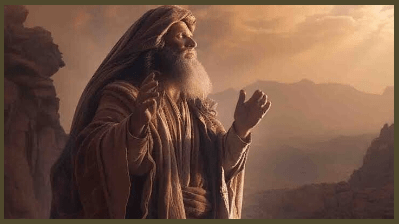
In a significant moment, God takes Abram outside and instructs him to gaze at the stars. This act symbolizes the promise that Abram’s descendants will be as numerous as the stars in the sky. The imagery highlights the immense scope of this promise, illustrating the profound implications of Abram’s lineage extending well beyond his current understanding and immediate circumstances.
The promise that Abram’s descendants will be as numerous as the stars in the sky can be interpreted in various ways, including the inclusion of the Gentiles. In the context of the Abrahamic covenant, this promise primarily refers to the Israelites as Abram’s direct descendants. However, many theological interpretations suggest that it also signifies a more expansive vision that includes all nations and peoples. This is supported by passages in the New Testament, particularly in Galatians 3:29, where it states that if you belong to Christ, you are Abraham’s descendants and heirs according to the promise. Genesis 17:4-5 states that Abraham will be the father of many nations. God tells Abraham, “As for me, this is my covenant with you: You will be the father of many nations. No longer will you be called Abram; your name will be Abraham, for I have made you a father of many nations.” Thus, the promise can be understood to encompass both physical descendants and a spiritual lineage that includes Gentiles.
The passage culminates in verse 6, where Abram’s faith in God’s promise is highlighted. His belief is credited as righteousness, establishing a theological principle that faith is essential to a relationship with God. This idea becomes fundamental in later Judeo-Christian teachings, emphasizing that righteousness is based not only on actions but also on genuine belief and trust in God.
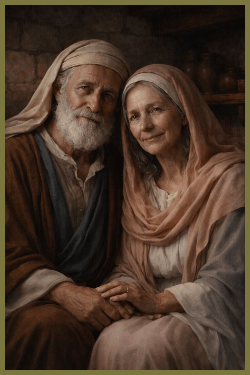
The excerpt from Genesis 17:15-18 highlights a pivotal moment in the story of Abraham and Sarah, emphasizing their role in the divine covenant God established with Abraham. This passage underscores the importance of their relationship and the promises made to them within the broader narrative of faith and legacy in biblical history.
In a significant moment in the biblical narrative, God instructs Abraham to change his wife’s name from “Sarai” to “Sarah.” This alteration is not merely a name change but symbolizes a profound transformation in her identity and role within the covenant God establishes with Abraham. The name “Sarai,” which translates to “my princess,” denotes an intimate and personal connection, reflecting her status as Abraham’s beloved wife. In contrast, the name “Sarah,” meaning simply “princess,” carries a broader connotation of royalty and importance. This change is significant, as it signals her divine purpose: she is destined to become the mother of nations, highlighting her pivotal role in the lineage of Abraham, which includes the Israelite nation. This moment not only elevates Sarah’s status to matriarch of the covenant in the Judaic tradition but also underscores the fulfillment of God’s promise of numerous descendants from her lineage.
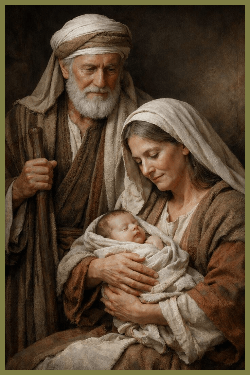
God makes a significant promise to Abraham, assuring him that his wife, Sarah, will bear him a son. This promise underscores Sarah’s vital role as a matriarch in their lineage. The declaration that she will give rise to nations indicates that their descendants will play an important role not only in Abraham’s family but also in the broader context of multiple peoples and future leaders. Abraham’s reaction, which includes falling face down and laughing, exemplifies a combination of disbelief and possibly joy in response to this extraordinary promise. Given that Abraham is 100 years old and Sarah is 90, the prospect of them having a child may seem implausible, highlighting a common human tendency to doubt divine assurances.
Abraham’s mention of Ishmael reflects his desire for God’s blessing to extend to his first son, born to Hagar. It emphasizes a common concern for the well-being of one’s existing offspring and suggests an attachment to the status quo, even in the face of a divine promise that seemed impossible. God reiterates that Sarah will indeed bear a son, whom he names Isaac, meaning “laughter.” This name not only connects to Abraham’s reaction but also signifies joy and fulfillment of promise. The establishment of Isaac as the recipient of God’s covenant highlights the specificity of God’s plan.
The declaration of God’s commitment to uphold His covenant with Isaac and his descendants highlights the significance of this promise within the larger narrative of the Israelites. It reflects God’s enduring dedication to Abraham’s lineage, which plays a crucial role in the development of Israel’s story throughout history.
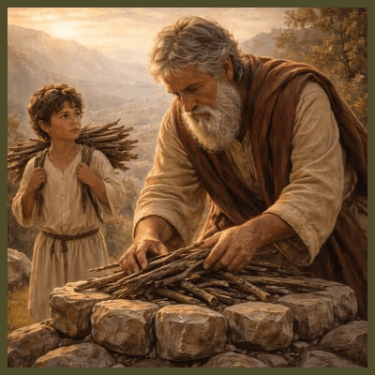
Genesis 22:1-14 narrates the event known as the “Binding of Isaac,” which highlights a profound test of faith that God places before Abraham. This passage is notable for its exploration of key themes such as obedience, sacrifice, and divine provision, making it a critical point of study for understanding Abraham’s faith journey and the broader implications of trusting God.
The chapter opens with a profound declaration that God tested Abraham, signaling a pivotal moment in the biblical narrative. This introduction sparks a thoughtful dialogue about the intricate nature of faith and unwavering obedience to divine will. Abraham’s immediate response, “Here I am,” is not merely a verbal acknowledgment but also an embodiment of his readiness to listen to and obey God’s command. This phrase reflects his acute awareness of God’s presence and a deep-seated relationship built on trust and devotion. Abraham’s willingness to engage in this challenging test underscores the complexities of faith, revealing a character that is both obedient and steadfast, even in the face of uncertainty. Through this interaction, the text invites readers to contemplate the essence of faith—balancing trust in God with the trials that may come in the journey of belief.
God commands Abraham to offer his beloved son, Isaac, as a burnt offering, a directive that profoundly challenges the very nature of Abraham’s identity as a father. Isaac is not just any child; he represents the culmination of God’s promise to Abraham—a promise of countless descendants and a great nation arising from him. This command introduces a harrowing conflict between Abraham’s deep love for his son and the faith required to obey God’s seemingly contradictory demand. It underscores a pivotal moment of tension where the future of God’s covenant, which seemed entirely dependent on Isaac, hangs in the balance. The act of preparing to sacrifice Isaac forces Abraham to grapple with his faith, trust, and the meaning of obeying divine commands, even when they conflict with human logic and emotional ties.
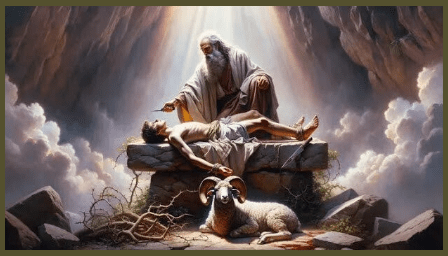
In the early hours of the following day, Abraham demonstrates his deep faith and obedience by preparing to fulfill God’s command without any hesitation. He assembles the necessary materials for the sacrifice and departs with his son Isaac and some servants, highlighting his unwavering commitment to following God’s will. Upon reaching the chosen site in the rugged mountains of Moriah, Abraham meticulously builds an altar using unhewn stones, carefully stacking them to create a sturdy foundation for the impending sacrifice. With a heavy heart and trembling hands, he then binds his beloved son Isaac, who is filled with confusion and fear, unaware of the true nature of the sacrifice.
The atmosphere is thick with tension and unspoken words, as Abraham prepares to fulfill a divine command that tests the very limits of his faith. This moment is charged with profound emotional intensity; it intertwines Abraham’s unwavering trust in God’s promises with the excruciating reality of obedience that demands the ultimate sacrifice. As he raises the knife, Abraham’s inner turmoil becomes palpable—caught between his deep love for Isaac and his commitment to God. This act highlights not only the faith that sustains him but also the heart-wrenching struggle of a father who must confront unimaginable demands in his relationship with the divine.
However, as Abraham raises the knife above his beloved son Isaac, preparing to fulfill what he believes to be God’s command, an angel of the Lord suddenly intervenes. The angel calls out to him from heaven, urgently commanding him to halt his hand. This pivotal moment not only serves as a dramatic climax in the narrative but also represents a profound turning point in Abraham’s faith journey. The words of the angel resonate deeply: “For now I know that you fear God.” This declaration acknowledges Abraham’s unwavering willingness to obey God’s directive, even when it required the unimaginable sacrifice of his own son. It confirms his deep reverence and faith, illustrating that his loyalty to the divine transcends even his most personal attachments. In this moment, Abraham’s faith is both tested and validated, setting a powerful example of devotion that has echoed through generations of believers, Jews, and Christians alike.
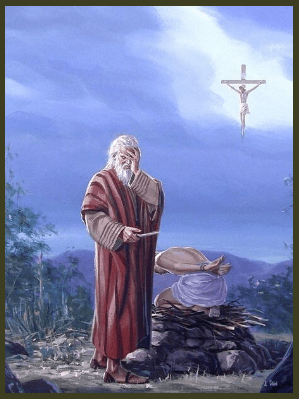
Upon looking up, Abraham sees a ram caught in the thicket. He offers this ram as a burnt offering instead of his son. This part of the narrative emphasizes the theme of divine provision: God provides a substitute sacrifice, highlighting that trust in Him leads to unexpected grace. As Abraham raises his eyes, he spots a ram caught in the thicket by its horns. Recognizing this ram as God’s provision, he chooses to offer it as a burnt offering in place of his son, Isaac. This pivotal moment in the narrative underscores the profound theme of divine provision: God supplies a substitute sacrifice, illustrating that unwavering trust in Him can lead to grace in the most unexpected forms. This act not only demonstrates Abraham’s faith but also reminds the reader of deeper spiritual truths about sacrifice and redemption.
Abraham names the location “Yahweh-yireh,” which translates to “the Lord will provide.” This profound declaration reflects a deep-rooted belief in God’s unwavering ability to meet the needs of His people, especially in times of uncertainty and hardship. This naming not only highlights Abraham’s faith in divine provision during a critical moment in his life—when he was called to sacrifice his son Isaac—but also serves as an enduring reminder to generations of the importance of trusting and relying on God’s promises. The narrative encapsulates a foundational aspect of faith, reassuring believers that even in challenging circumstances, they can depend on God’s guidance and support.
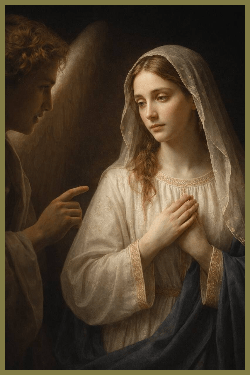
The narratives surrounding Sarah and Mary in the Scriptures weave a rich tapestry that highlights their pivotal roles as matriarchs of God’s covenant with humanity. Sarah, Abraham’s wife, is remembered not only for her faith and resilience but also for her journey of longing and eventual joy as she bears Isaac, fulfilling God’s promise of countless descendants. Her story reflects themes of hope and divine timing, illustrating the transformative power of faith. In contrast, Mary, the mother of Jesus, exemplifies profound submission to God’s will when she receives the angel Gabriel’s announcement of Christ’s birth. Her role is central to the New Testament, symbolizing purity and devotion as she embraces the monumental task of raising the Son of God. Together, Sarah and Mary represent two distinct yet complementary facets of faith, embodying the expectations and fulfillment of God’s promises across generations. Their lives encourage believers to trust in divine providence and to remain steadfast in faith, even amidst challenges.
In the Gospel of Luke, Mary is referred to as the “favored one” or “graced one,” a designation that underscores her unique role in the divine narrative of salvation. Her acceptance of the angel Gabriel’s momentous message marks a critical turning point in God’s overarching plan for humanity. Gabriel reveals to her that she will conceive a son, to be named Jesus, who is destined to inherit the throne of David. This proclamation not only highlights Mary’s connection to the royal lineage but also signals the fulfillment of God’s covenant promises made throughout the Old Testament, specifically those given to figures like Abraham and Sarah.
Just as Sarah once laughed in disbelief at God’s improbable promise of bearing a child in her old age, Mary expresses her own bewilderment by asking, “How can this be?” This question reflects her astonishment at the angel’s announcement regarding her conception, since she is a virgin. However, unlike Sarah, whose initial response casts doubt on God’s plan, Mary embodies a profound faith and willingness to embrace her extraordinary calling. With a heart full of trust and submission, she responds after discovering that her conception will be virginal: “May it be done to me according to your word,” demonstrating not only her acceptance of this divine mission but also her pivotal role in the unfolding story of redemption. Through her obedience, Mary becomes an integral part of the fulfillment of God’s promises in the hypostatic order of the incarnation.
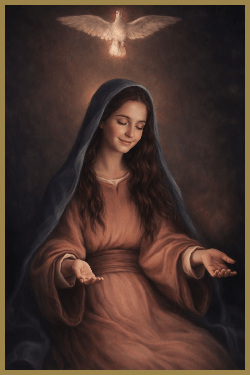
In any event, both women exemplify profound faith under vastly different circumstances—Sarah, facing the challenges of old age and long-term barrenness, and Mary, navigating the complexities of youth and her unexpected virginal maternity. Sarah lived in a time when motherhood was deeply tied to a woman’s identity and social status, yet she remained childless until the miraculous conception and birth of Isaac at ninety. This moment not only fulfilled God’s promise to Abraham but also set into motion the lineage of the Israelites, demonstrating God’s power to transcend natural limitations.
On the other hand, Mary, a young adolescent from Nazareth, found herself chosen to bear the Savior of the world through divine intervention, despite her virginity. This scenario posed significant societal risks, including public disgrace and ostracism as an unwed mother. Yet, her unwavering acceptance of God’s will, as expressed in her response, “I am the Lord’s servant,” illustrates remarkable courage and trust in divine providence for an adolescent.
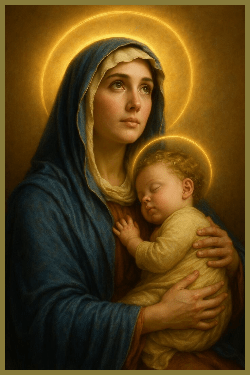
Together, Sarah and Mary embody the fulfillment of God’s enduring covenant, a promise that spans generations and showcases His unwavering faithfulness. Sarah represents the initial stages of this covenant, demonstrating sufficient faith as she navigates the challenges of barrenness and advanced age. Her eventual miraculous conception of Isaac serves as a testament to God’s power and faithfulness to His promises, illustrating that hope can flourish even in the bleakest circumstances. Mary, on the other hand, represents the culmination of this covenant through her role as the mother of Jesus Christ, the awaited Messiah. Her acceptance of the angel Gabriel’s message, despite the societal risks she faced as an unwed mother, exemplifies a fearless and profound faith. Mary’s willingness to surrender her life to God’s plan underscores the theme of obedience and trust found throughout Scripture among God’s chosen ones.
The relationship between Sarah and Mary can be explored through several key themes, including faith, miraculous births, and the broader narrative of sacrifice and divine promise. This connection is particularly evident in the context of their sons, Isaac and Jesus, and relates to the concept of the altar of sacrifice or holocaust. Both figures represent significant moments in religious history that underscore the importance of persevering in faith and of fulfilling divine promises amid trials and miraculous events.
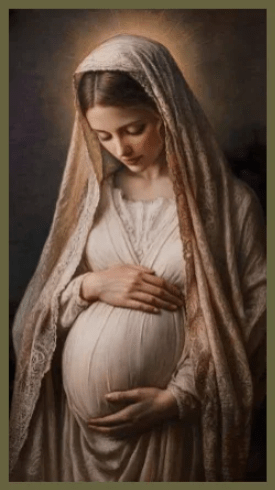
Both Sarah and Mary experience miraculous conceptions that hold significant theological implications. Sarah, initially barren, receives the divine promise that she will bear a son, Isaac. This promise comes despite her doubts and her advanced age. The fulfillment of this promise—Isaac’s birth—demonstrates God’s power to create life and is a pivotal moment in the biblical narrative, establishing Abraham’s lineage. Mary, a young virgin, receives the announcement from the angel Gabriel that she will conceive Jesus by the Holy Spirit. This miraculous conception signifies the initiation of a new covenant and the arrival of the Messiah, emphasizing God’s intervention in human history.
Sarah and Mary play crucial roles in the unfolding of God’s plan of salvation through their respective sons. Isaac, the miraculous son of Abraham and Sarah, signifies the continuation of the Abrahamic covenant, which is pivotal in the biblical narrative. His birth, which occurred when Sarah was ninety years old, not only demonstrates God’s power over human limitations but also marks the beginning of a lineage that ultimately leads to the emergence of the Israelite nation through his son Jacob. This covenantal promise sets the stage for the Messiah’s eventual coming, establishing a divine thread that connects the Old and New Testaments.
Jesus, recognized as the Messiah and the fulfillment of the prophecies, embodies the roles of prophet, priest, and king. He represents the culmination of God’s redemptive plan, offering salvation to humanity through His sacrificial death and resurrection. This act of atonement restores the broken relationship between God and mankind, paving the way for eternal life. In this paradigm, Mary’s unwavering acceptance of God’s will profoundly impacts salvation history. As the Virgin Mother of Jesus, she exemplifies faith and obedience, embracing her unique role with grace. Her willingness to become the earthly vessel for the Son of God places her at the heart of this redemptive story, highlighting the intersection of divine purpose and human agency. Together, Sarah and Mary illustrate the continuity of God’s initial promises to Abraham and the unfolding narrative of salvation that, as an offshoot of Judaism, becomes central to Christian belief.
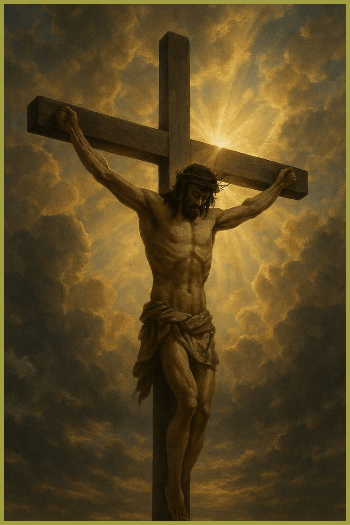
The significance of sacrifice in both narratives is pivotal. In Genesis 22, Abraham’s willingness to sacrifice his son Isaac on the altar serves as a profound and pivotal test of faith. As he prepares to offer Isaac in obedience to God’s command, Abraham exemplifies the deeply ingrained themes of trust and unwavering submission to divine will. This harrowing moment not only reflects Abraham’s faith but also challenges readers to consider the complexities of faith and loyalty to God amidst personal sacrifice.
Isaac’s near-sacrifice on the altar is rich with symbolic significance, often interpreted as a foreshadowing of Christ’s ultimate sacrifice on the cross. This narrative, found in Genesis 22, reveals the deep complexities of faith and obedience as Abraham prepares to offer his son in obedience to a divine command. Notably, both Isaac and Jesus carry the instruments of their own sacrifice, illustrating their willingness to fulfill their providential roles. Isaac, bound for the altar, bears the wooden load of sacrificial firewood on his back, a tangible representation of the burden he is prepared to shoulder in obedience to and trust in God’s plan. This act of carrying wood not only signifies his imminent sacrifice but also symbolizes the weight of future sacrificial covenants.
Similarly, Jesus, as depicted in the New Testament, carries the heavy cross to Golgotha. This cross not only embodies the physical burden he endures but also represents the immense weight of humanity’s sins—an act of ultimate sacrifice destined to bring redemption to all who believe. The convergence of these narratives, through the threads of faith, obedience, and sacrifice, highlights a cohesive divine narrative that echoes throughout the biblical text, inviting deeper reflection on the nature of God’s covenant with humanity.
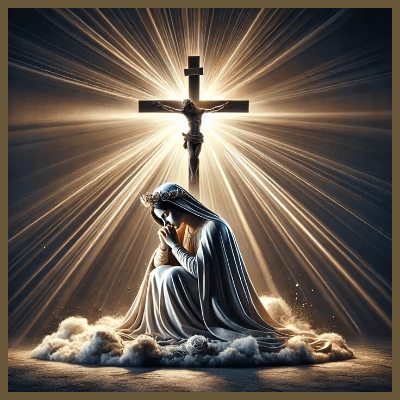
Jesus’ sacrifice on the cross embodies the culmination of God’s ultimate covenant with humanity, a promise of redemption and reconciliation. This act parallels the story of Isaac, who was regarded as the beloved son of promise in the Old Testament. Just as Isaac was a child born to Abraham and Sarah through divine intervention in their old age, Jesus is called God’s beloved Son, underscoring His unique relationship with the Father.
The voluntary nature of Jesus’ sacrifice—choosing to bear the weight of humanity’s sins—reflects the profound faith and obedience exhibited by both Abraham and Mary. Abraham’s willingness to sacrifice Isaac at God’s command demonstrated his unwavering trust in God’s plans, while Mary’s acceptance of her role as the mother of the Messiah showcases her submission to divine will, despite the immense personal cost of motherhood. Together, their stories highlight themes of faith, sacrifice, and divine purpose, reinforcing the immense depth of Jesus’ salvific mission on Earth.

Ave Maria

 Marian Scripture
Leave a comment